
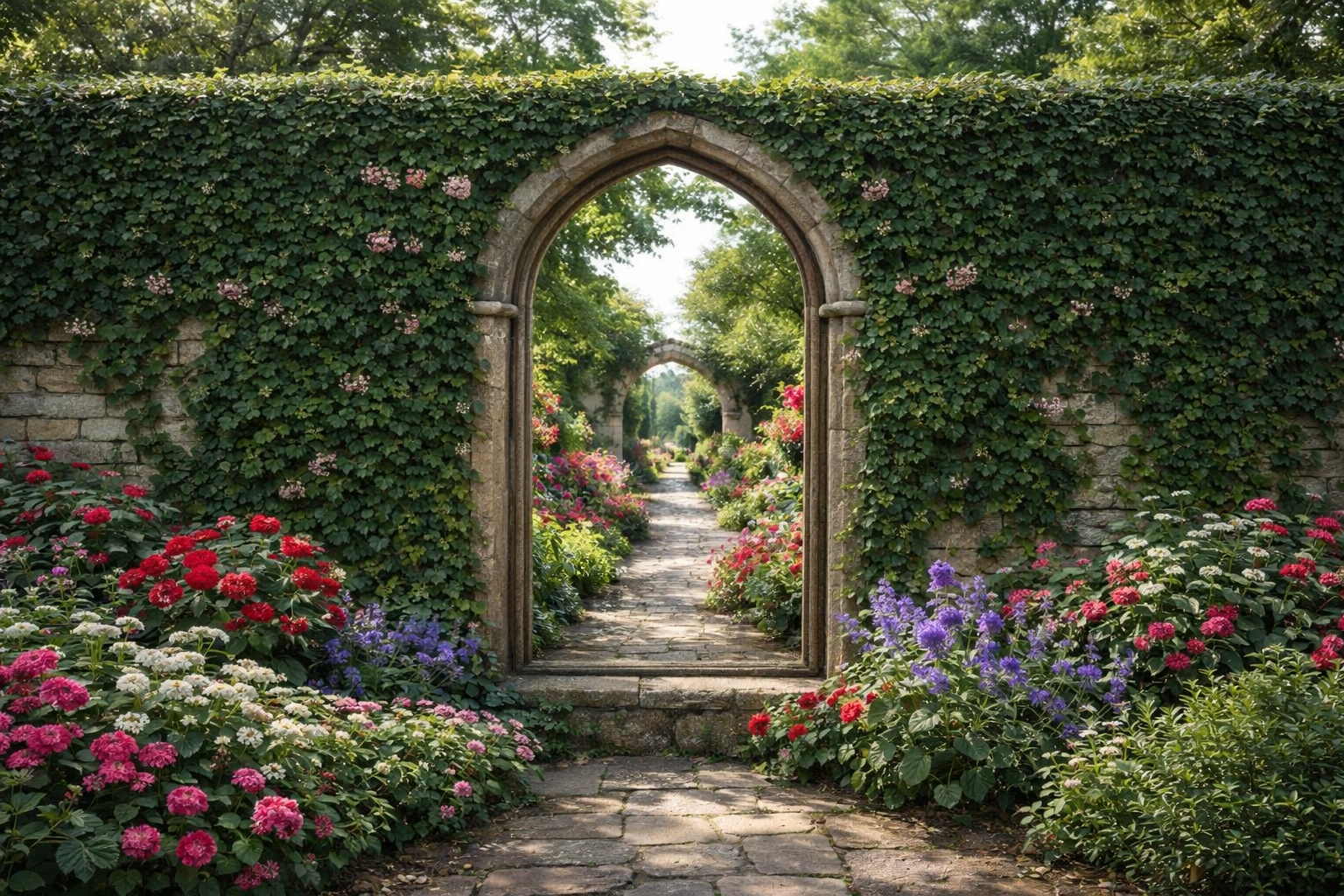
Small or enclosed gardens can often feel darker and more limited than they really are. One of the most effective ways to visually expand an outdoor space without structural changes is by using a garden mirror.
When chosen and positioned correctly, garden mirrors reflect light, extend sightlines, and visually double planting and features. They can make compact gardens feel brighter, deeper, and more open while adding a subtle architectural element.
This guide explains how to choose the best garden mirrors, where to place them, and what to look for when buying, so you can invest confidently and avoid common mistakes.
Why Garden Mirrors Work So Well Outdoors
Garden mirrors work by reflecting both light and perspective.
In outdoor spaces, this effect is especially powerful because mirrors can reflect sky, foliage, and garden structure, visually extending boundaries and softening enclosed areas.
They are particularly effective in:
- Small urban gardens
- Courtyards and patios
- Narrow side returns
- Shaded or north-facing gardens
Used well, a mirror should enhance the garden quietly rather than draw attention to itself.
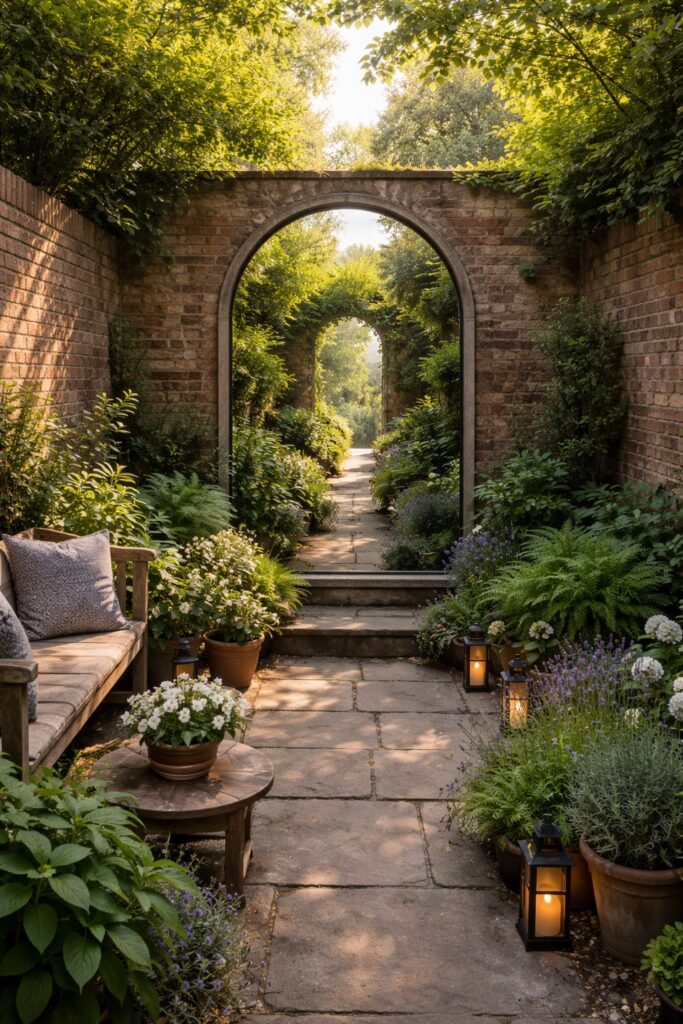
Setting Realistic Expectations Before Buying
Garden mirrors create visual illusion, not physical space.
They work best when:
- Used sparingly
- Positioned to reflect planting or light
- Integrated into the overall garden design
Overuse or poor placement can feel artificial. One well-chosen mirror almost always works better than several smaller ones.
Choosing the Best Garden Mirrors for Outdoor Spaces
Not all mirrors are suitable for outdoor use. The best garden mirrors are designed to withstand weather while blending naturally into the garden.
Window-Style Garden Mirrors
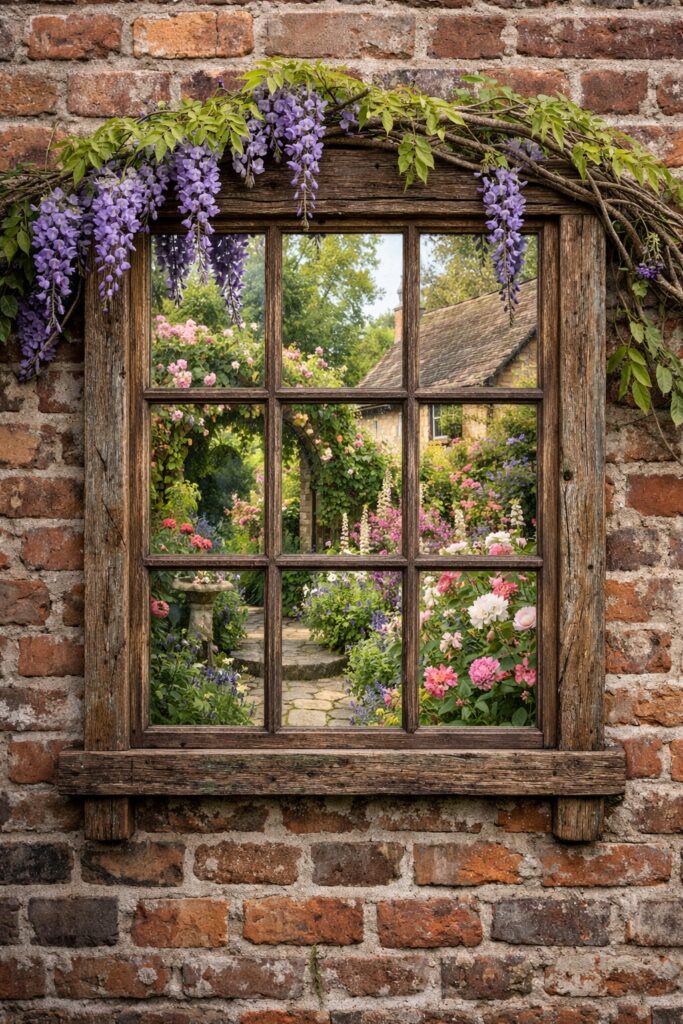
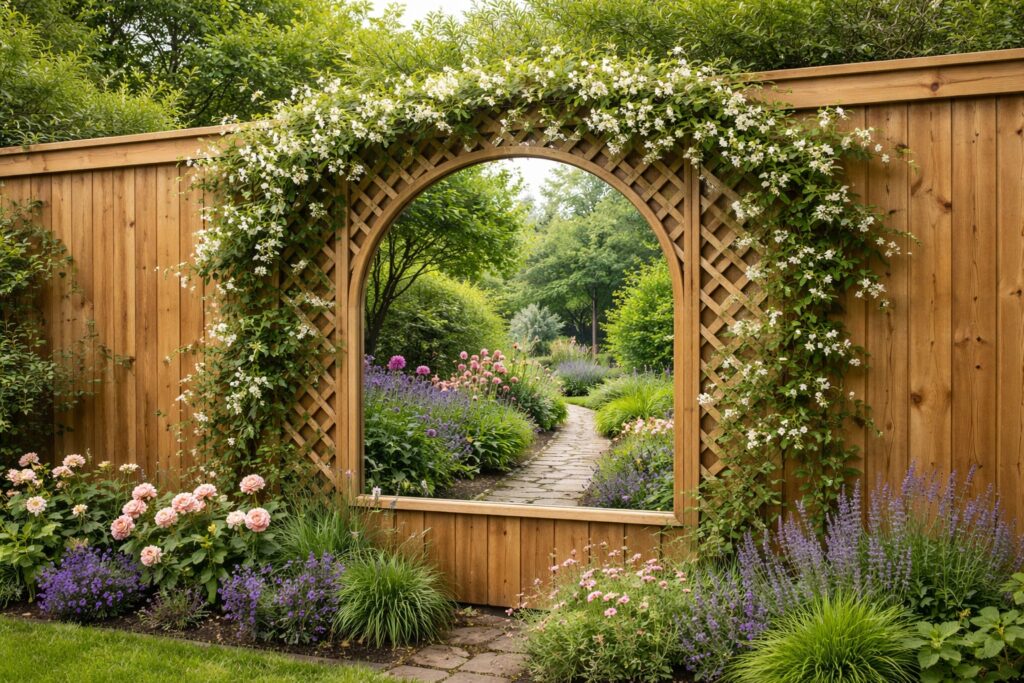
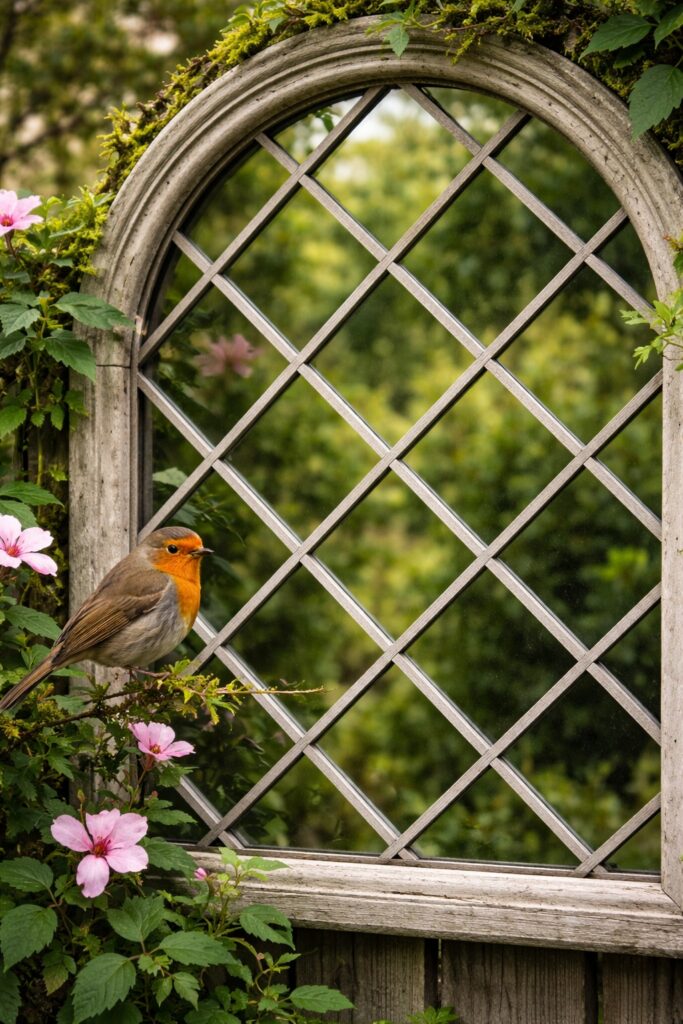
Window-style mirrors are among the most popular options. Framed to resemble traditional windows, they create the illusion of another garden room or hidden space beyond the wall.
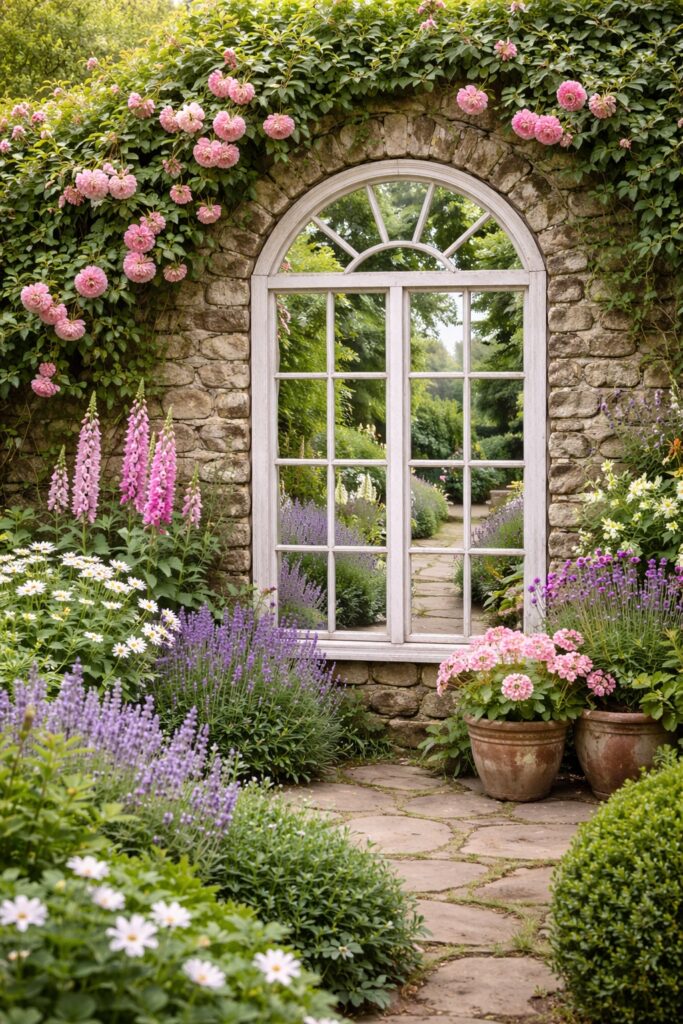
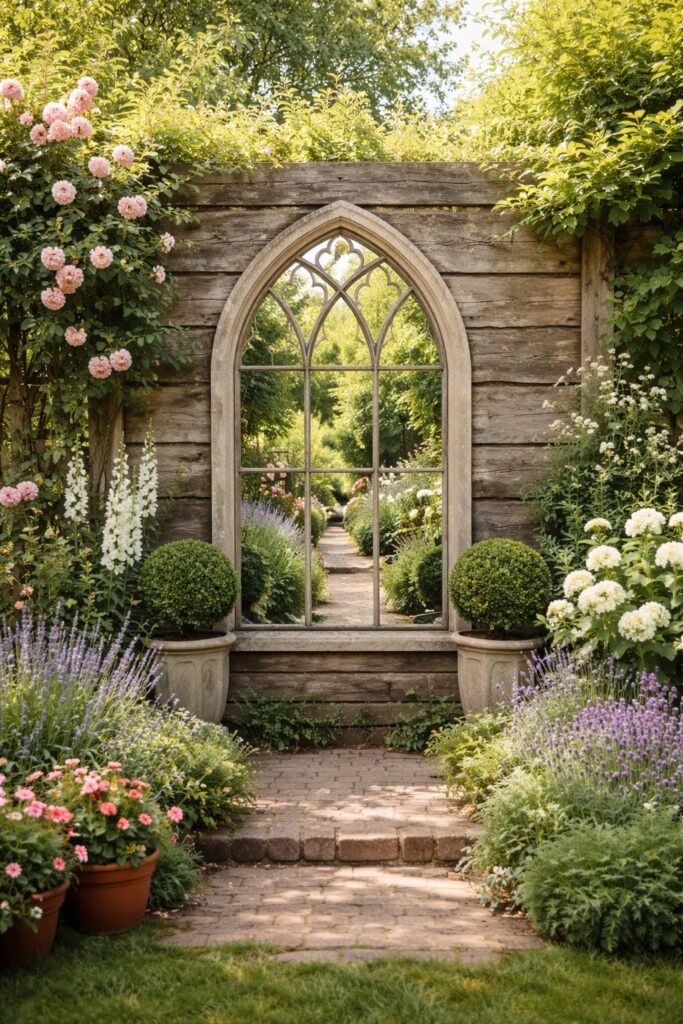
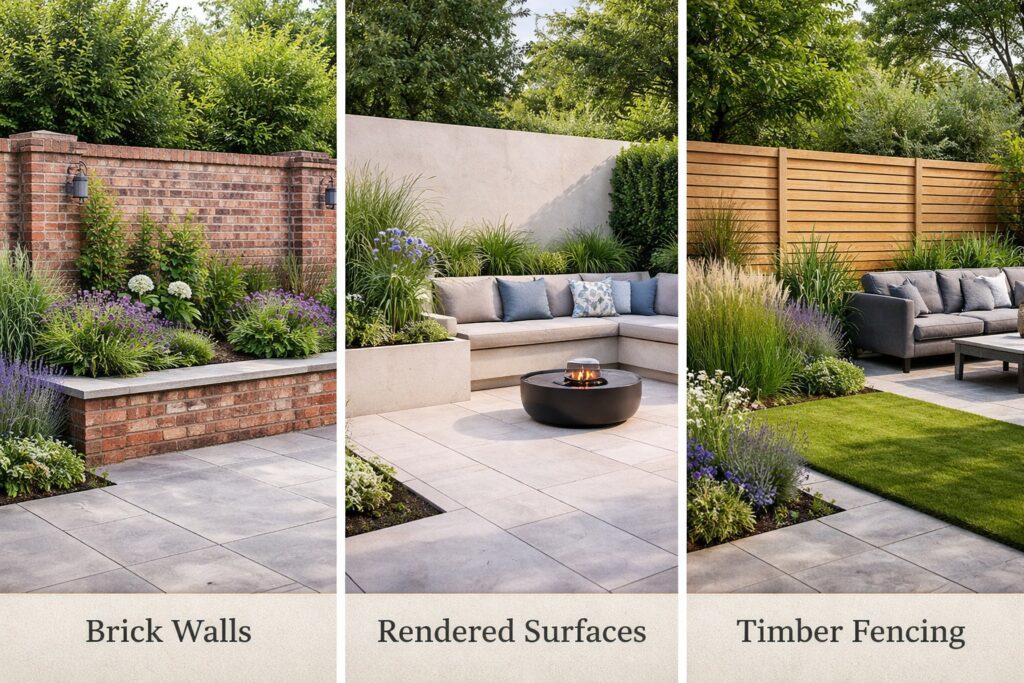
They work particularly well on:
- Brick walls
- Rendered surfaces
- Timber fencing
This style disguises the reflective surface and feels architectural rather than decorative.
Best for: Small gardens, courtyards, traditional homes | View window-style garden mirrors
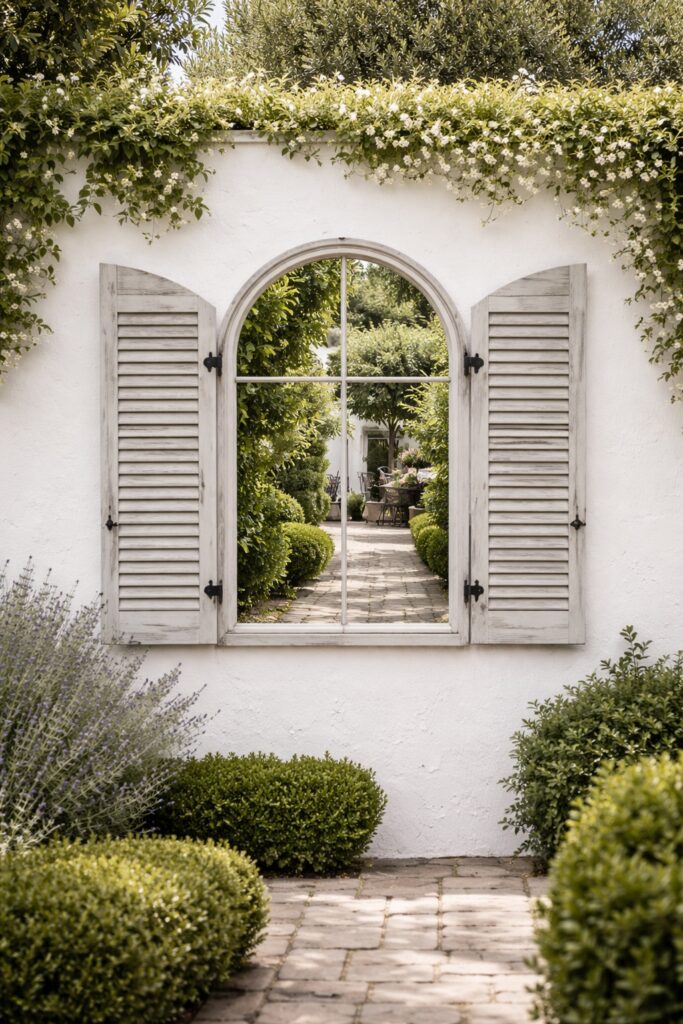
Antique and Distressed Garden Mirrors
Antique-style mirrors feature aged or distressed finishes that soften reflections and blend into planting schemes.
These mirrors:
- Reduce glare
- Feel more organic
- Suit cottage and traditional gardens
They are ideal where you want atmosphere rather than sharp reflection.
Best for: Cottage gardens, period homes | Shop antique-style garden mirrors
Contemporary Garden Mirrors
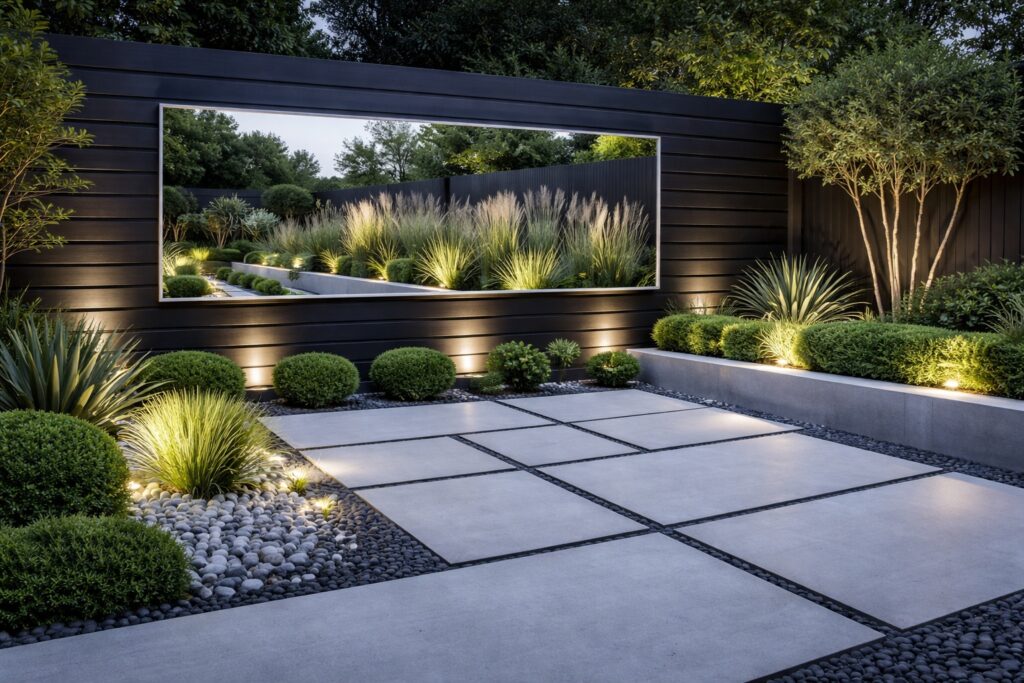
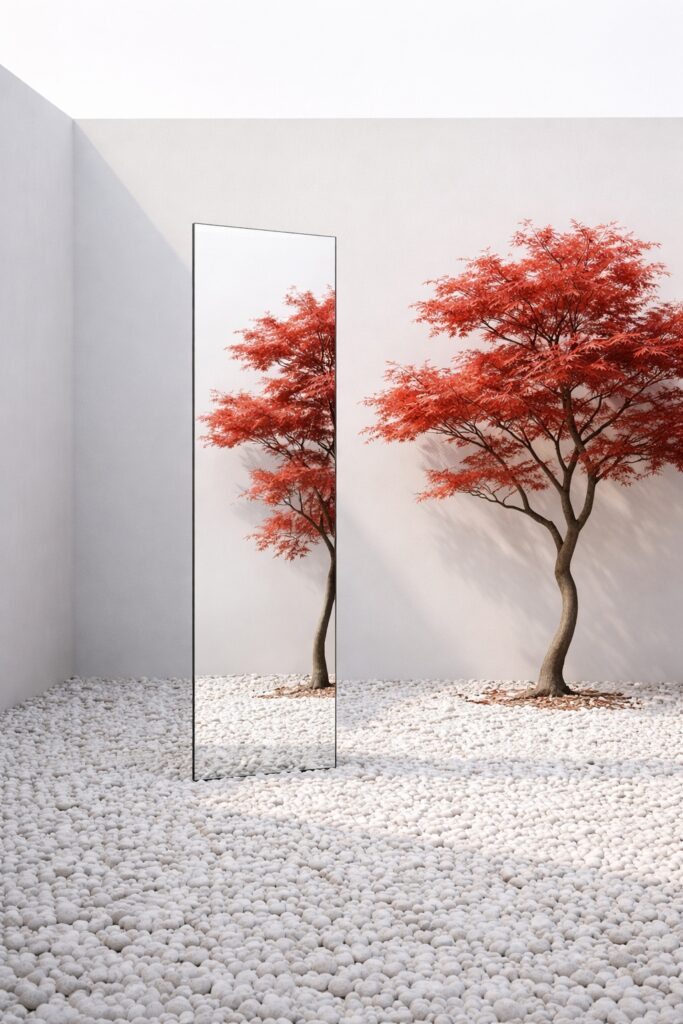
Minimal or frameless garden mirrors suit modern outdoor spaces.
Clean lines and restrained finishes work best when:
- Planting is structured
- Materials are simple
- Layout is geometric
In contemporary gardens, restraint is key. One strong mirror usually delivers the best result.
Best for: Modern gardens, minimalist spaces
Best Garden Mirrors for Different Garden Types
This is where choosing the right mirror matters most.
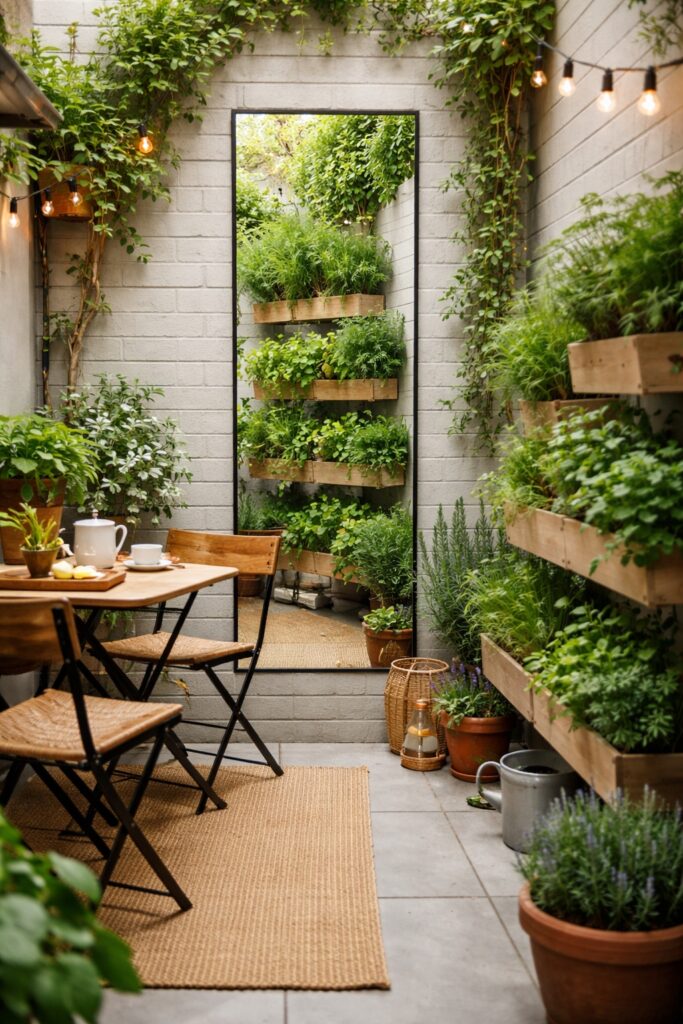
Best Garden Mirrors for Small Gardens
Larger mirrors with subtle frames often work better than multiple small ones. Position them to reflect planting rather than walls.
Recommended features: Slim frame, safety glass, weatherproof backing
Affiliate link placeholder: Best garden mirrors for small gardens
Best Garden Mirrors for Fences and Walls
Lightweight mirrors with secure fixings are ideal for fencing. Avoid overly heavy designs unless mounted to masonry.
👉 Recommended features: Pre-fitted fixings, rust-resistant frame
👉 Affiliate link placeholder: Garden mirrors for fences and walls
Best Garden Mirrors for Shaded Gardens
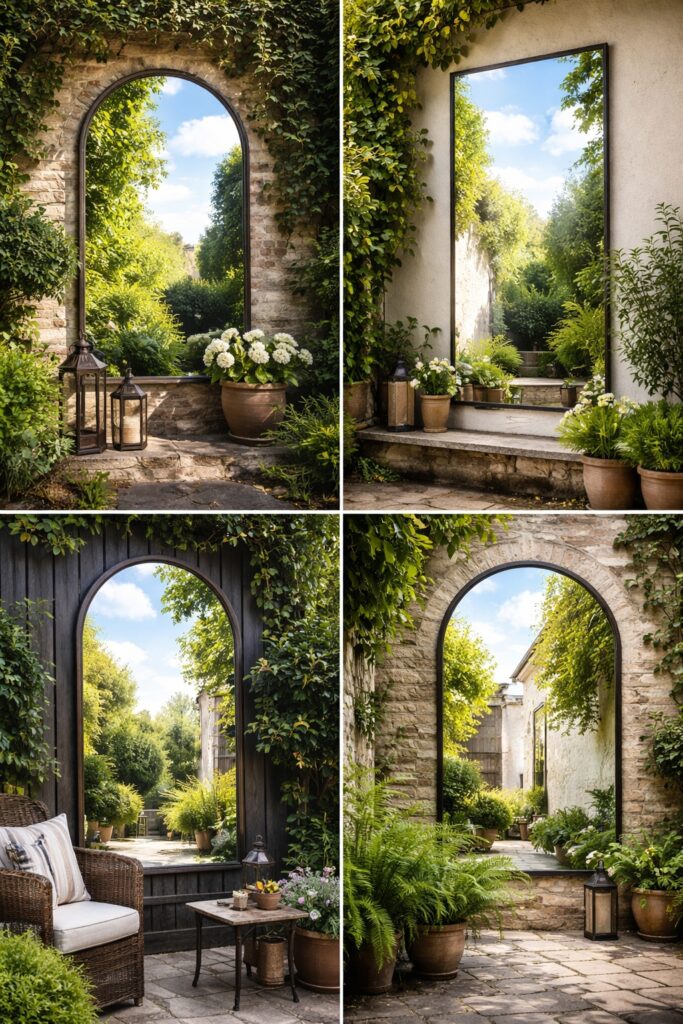
Mirrors placed where they reflect pale surfaces or sky can brighten darker areas dramatically.
Recommended features: Clear glass, minimal tint
Affiliate link placeholder: Garden mirrors for shaded spaces
What to Look for When Buying a Garden Mirror
Before purchasing, check the following:
- Weather resistance – Designed for outdoor use
- Safety glass – Shatter-resistant or acrylic-backed
- Fixings included – Suitable for walls or fences
- Frame material – Powder-coated metal, treated wood
- Size vs placement – Bigger is not always better
Spending slightly more on a purpose-built outdoor mirror usually pays off in longevity and safety.
Where to Place Garden Mirrors for Best Effect
Placement matters more than price.
Good placement:
- Reflects planting, sky, or light
- Sits slightly off-centre
- Feels integrated, not obvious
Avoid reflecting:
- Bins or storage
- Neighbouring buildings
- Seating areas where glare could occur
Mirrors placed behind foliage or climbing plants often feel more natural.
Garden Mirrors and Wildlife Safety
Mirrors can confuse birds if placed poorly.
To reduce risk:
- Avoid positioning at bird flight height
- Partially obscure mirrors with plants
- Choose framed or pane-style designs
Guidance from the Royal Horticultural Society highlights the importance of placing reflective surfaces carefully to minimise disturbance to wildlife.
Using Garden Mirrors in Courtyards and Balconies
In very small spaces, mirrors can have a dramatic impact.
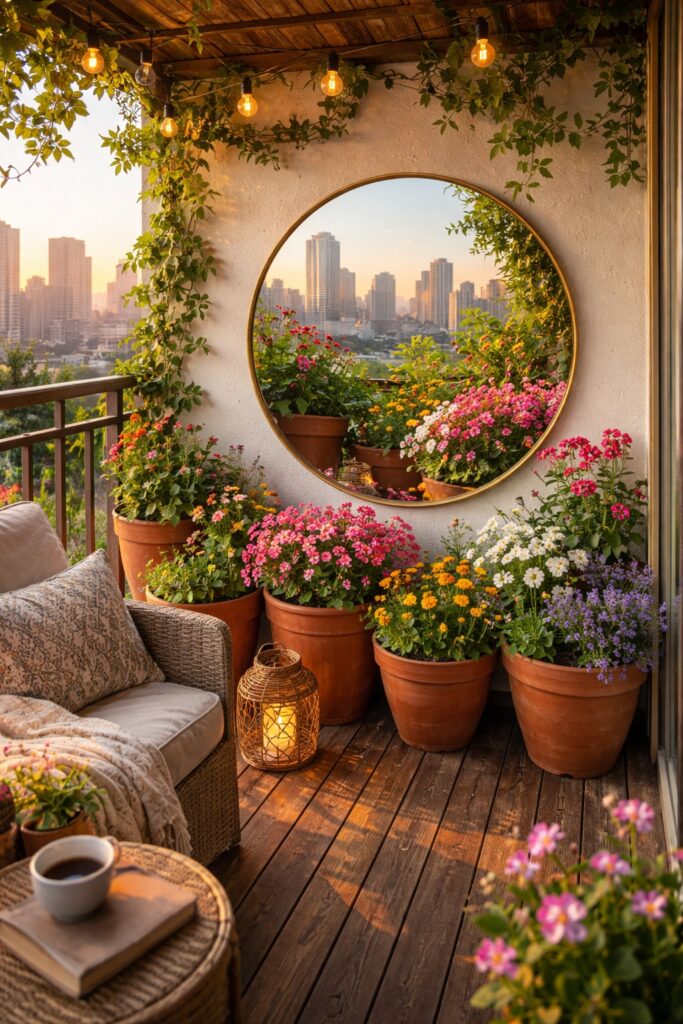
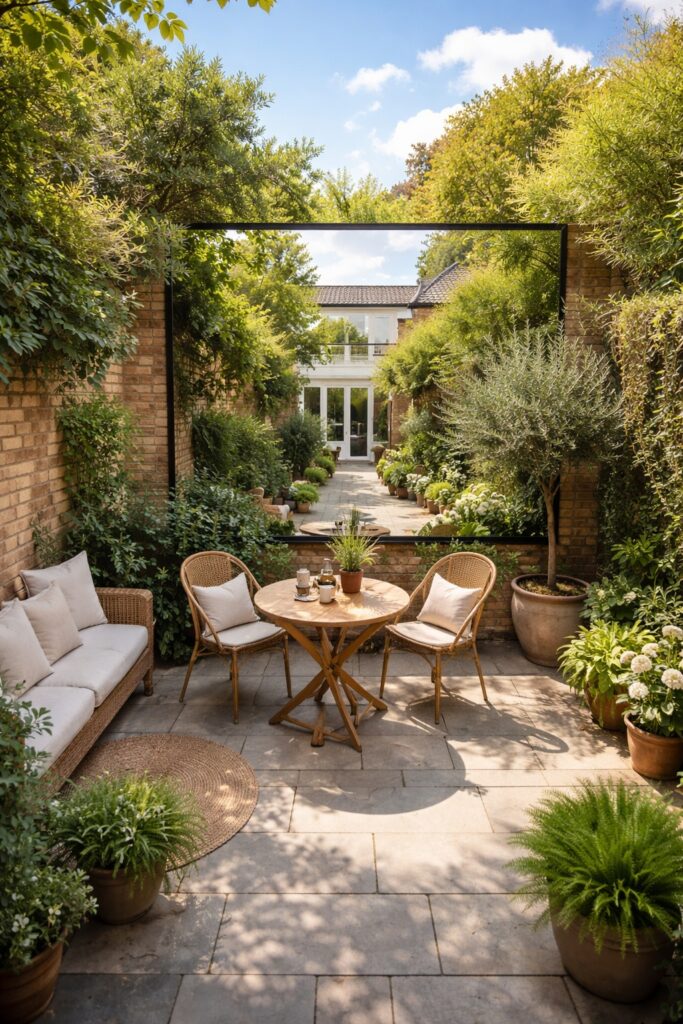
Courtyards benefit from mirrors placed on boundary walls to reflect planting and sky. Balconies work best with smaller mirrors positioned behind pots or greenery.
In compact spaces, one mirror is almost always enough.
Maintenance and Longevity
Outdoor mirrors require minimal but regular care.
- Check fixings seasonally
- Clean gently with water and soft cloth
- Monitor for moisture ingress
Choosing mirrors designed specifically for outdoor use significantly extends lifespan.
Common Garden Mirror Mistakes to Avoid
Avoid:
- Using indoor mirrors outdoors
- Overusing multiple mirrors
- Reflecting unattractive views
- Ignoring glare and safety
When in doubt, reduce rather than add.
Final Thoughts: A Smart Investment for Small Gardens
Garden mirrors are one of the most effective ways to enhance outdoor space without construction or major expense.
By choosing the right style, positioning it thoughtfully, and investing in weather-resistant materials, mirrors can add light, depth, and atmosphere that lasts year after year.
The best garden mirrors feel subtle, intentional, and quietly transformative.