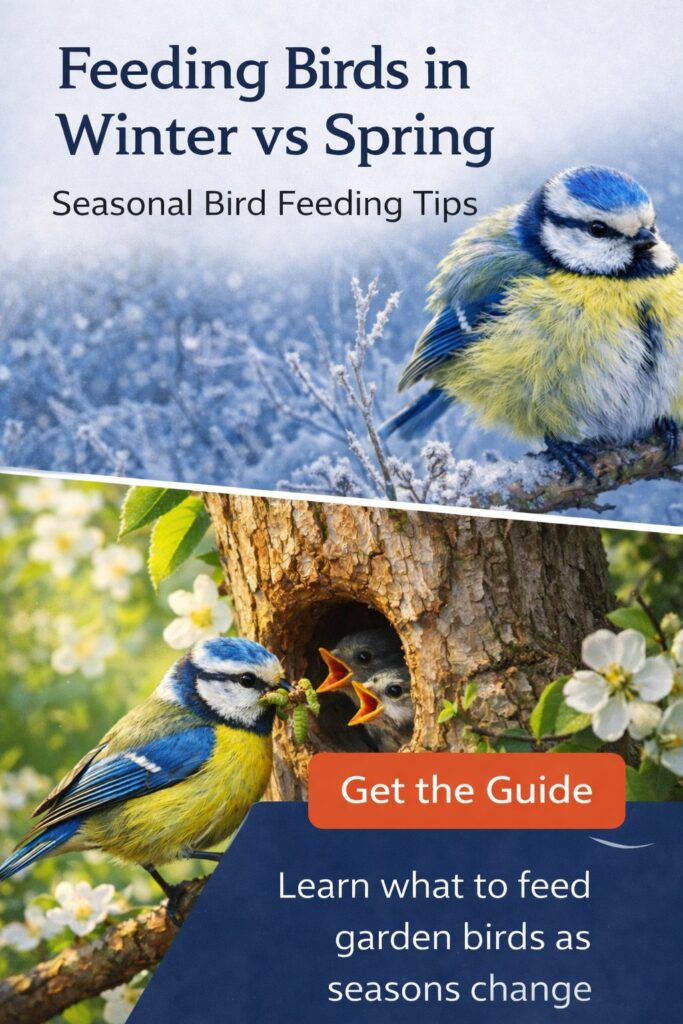
A UK seasonal bird feeding guide inspired by RSPB advice
What to feed garden birds in winter vs spring is a question many UK gardeners ask as the seasons change and bird behaviour begins to shift.
Many gardeners worry about doing the wrong thing. Advice online can feel polarised, with some sources encouraging constant feeding and others warning that any intervention is harmful. This can leave people hesitant, unsure whether to continue or stop just when birds behaviour begins to change.
The reality is that bird feeding is not a set of fixed rules. It works best when treated as a seasonal spectrum, responding to weather, food availability, and what birds are actually doing in the garden. Winter survival, late winter transition, early breeding, and peak nesting all bring different needs.
This guide explains what to feed garden birds in winter versus spring, why those needs change, and how to adjust feeding habits gradually and responsibly. It focuses on UK conditions and common garden species, reflecting widely accepted wildlife principles, including guidance shared by organisations such as the RSPB, without claiming endorsement.
Rather than encouraging constant feeding or sudden withdrawal, this guide helps you understand when feeding is helpful, when it should change, and how to respond confidently to seasonal shifts.
Table of Contents
Why Seasonal Bird Feeding Matters
Birds live close to the edge of survival, particularly smaller species. Their high metabolism means they must find food frequently, and even short disruptions can have serious consequences.
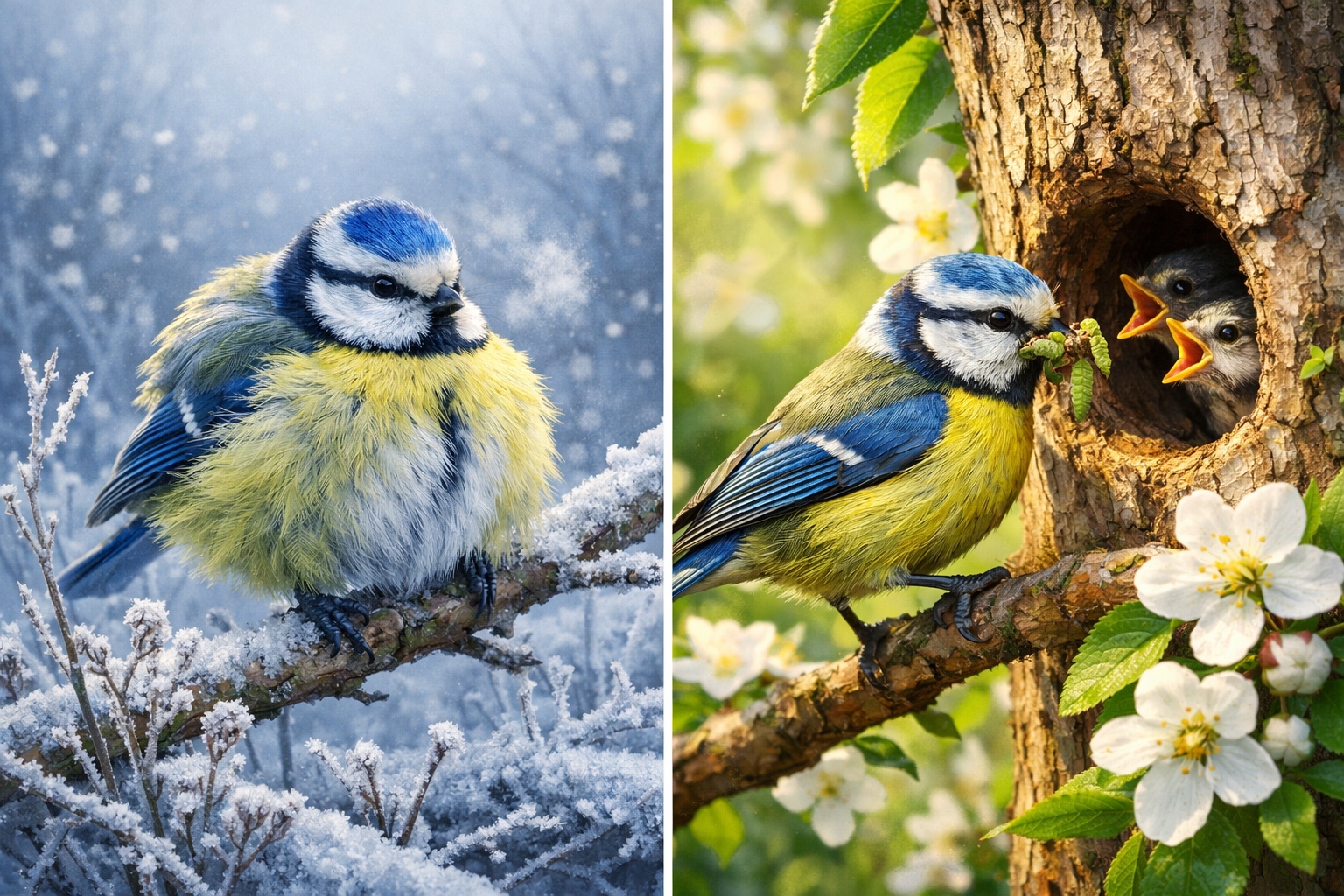
In winter, a small bird such as a blue tit may lose a significant proportion of its body weight overnight simply staying warm. Missing one feeding opportunity during a cold spell can mean the difference between surviving until morning or not. At this time of year, energy rich foods are critical.
Spring brings a very different challenge. Instead of conserving energy, birds are suddenly expending it at a rapid rate. Territory defence, nest building, egg laying, and feeding chicks all place enormous demands on adult birds. Nutritional balance becomes more important than sheer calorie intake.
Seasonal feeding matters because:
- Birds nutritional priorities change rapidly
- Weather patterns are increasingly unpredictable
- Natural food availability fluctuates more than it once did
- Gardens are not always rich in natural prey or seed sources
Feeding birds responsibly means recognising these shifts and adjusting support accordingly.eding helps birds survive winter and raise healthy young in spring without disrupting natural behaviour.
Climate Change and Seasonal Feeding
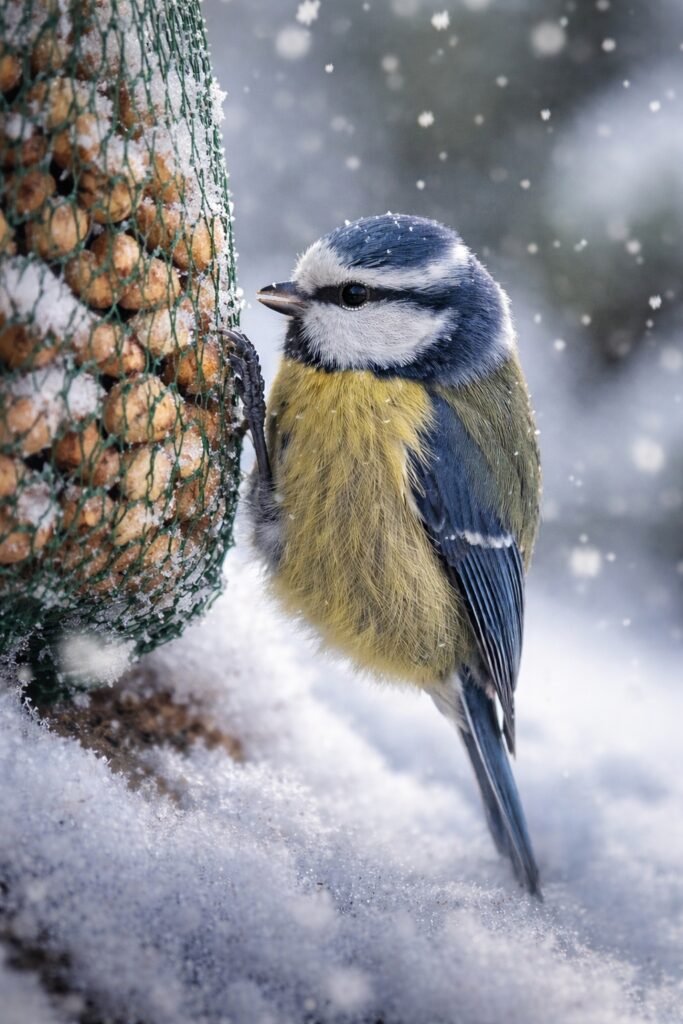
Climate change is altering traditional seasonal patterns in the UK, and birds are feeling the effects. Winters are often milder overall but punctuated by sudden cold snaps, while springs may begin early only to be disrupted by late frosts.
These changes can create dangerous mismatches between birds behaviour and food availability. Birds may begin breeding earlier in response to warmer temperatures, only to find that insects and other natural food sources have not yet emerged in sufficient numbers.
For gardeners, this means:
- Fixed feeding calendars are less reliable
- Flexibility is more important than strict dates
- Observation matters more than assumptions
Rather than stopping or starting feeding based on the month alone, it is better to watch for signs such as courtship behaviour, nest building, and changes in weather. Being responsive helps birds cope with increasingly unstable conditions without over intervention.
When Is Winter and Spring for Birds?
For birds, seasons are shaped by daylight, temperature, and food availability rather than calendar dates. This is why feeding decisions based purely on months can sometimes miss the mark.
A typical UK seasonal pattern
- January is often the most demanding month. Cold nights, frozen ground, and depleted natural food sources make high energy feeding essential.
- February can be deceptively difficult. Daylight increases slightly, but fat reserves are low and natural food has not yet recovered.
- March marks the beginning of transition. Birds may start singing and defending territory, yet cold snaps are still common.
- April is often misunderstood. Breeding begins in earnest, but late frosts and poor insect availability can still leave birds short of protein.
- May usually brings greater natural abundance, reducing reliance on feeders.
Regional variation matters. Northern and upland areas often experience later springs, while sheltered southern gardens may see breeding activity earlier. Observing local bird behaviour is more reliable than following fixed dates.
What to Feed Garden Birds in Winter vs Spring: How Diets Differ
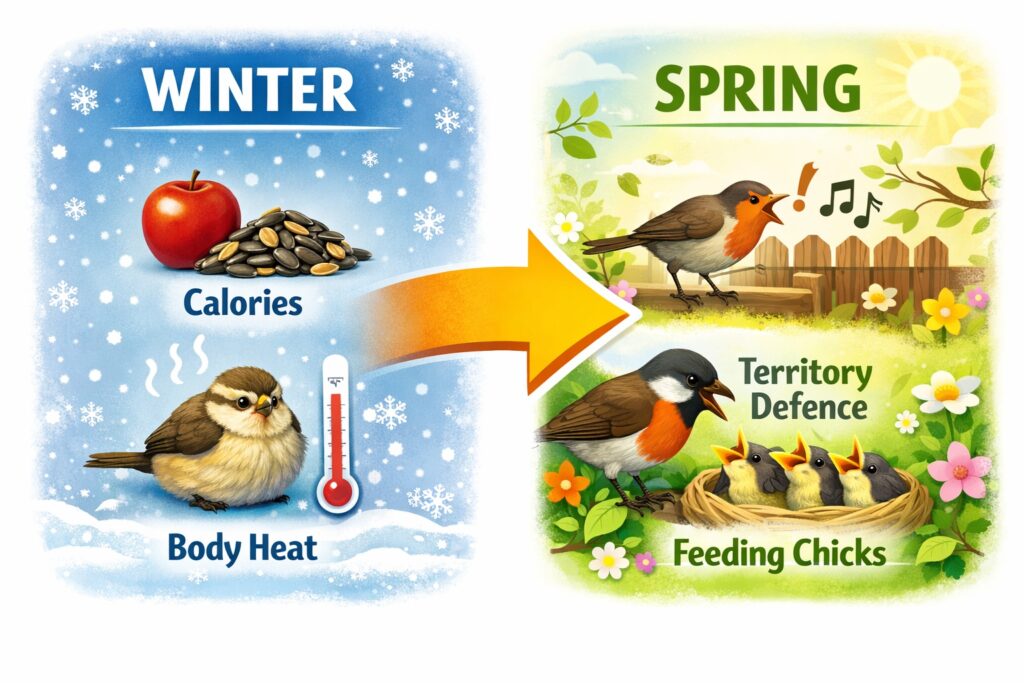
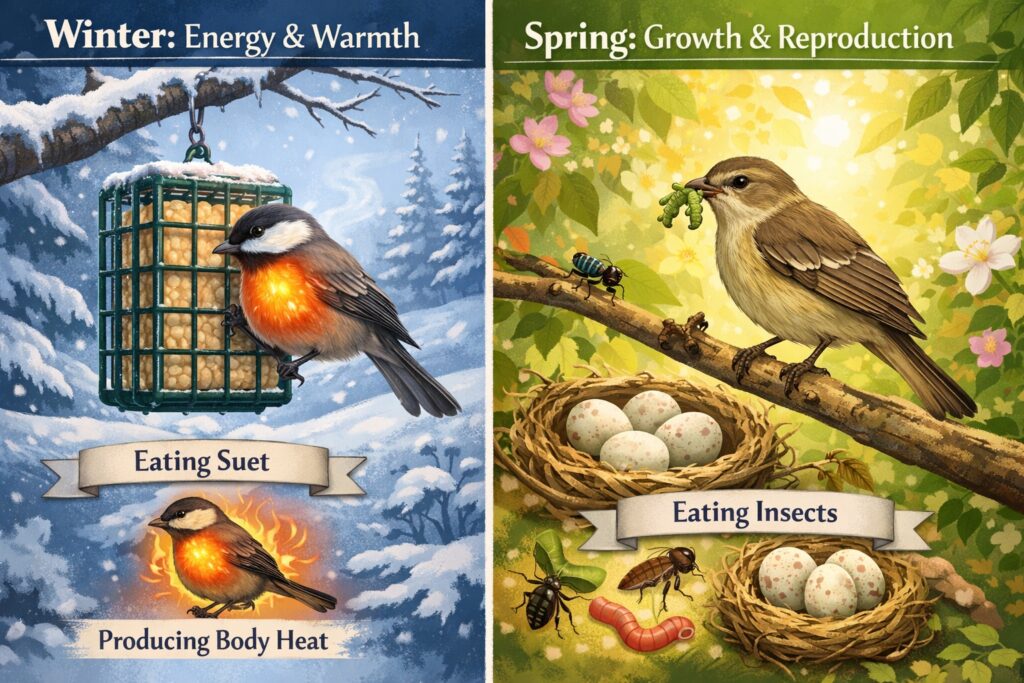
The key difference between winter and spring feeding is energy versus nutrition.
Winter priorities
- High calorie foods
- Fat rich energy sources
- Easy access in cold weather
- Supporting body heat and survival
Spring priorities
- Protein for eggs and chicks
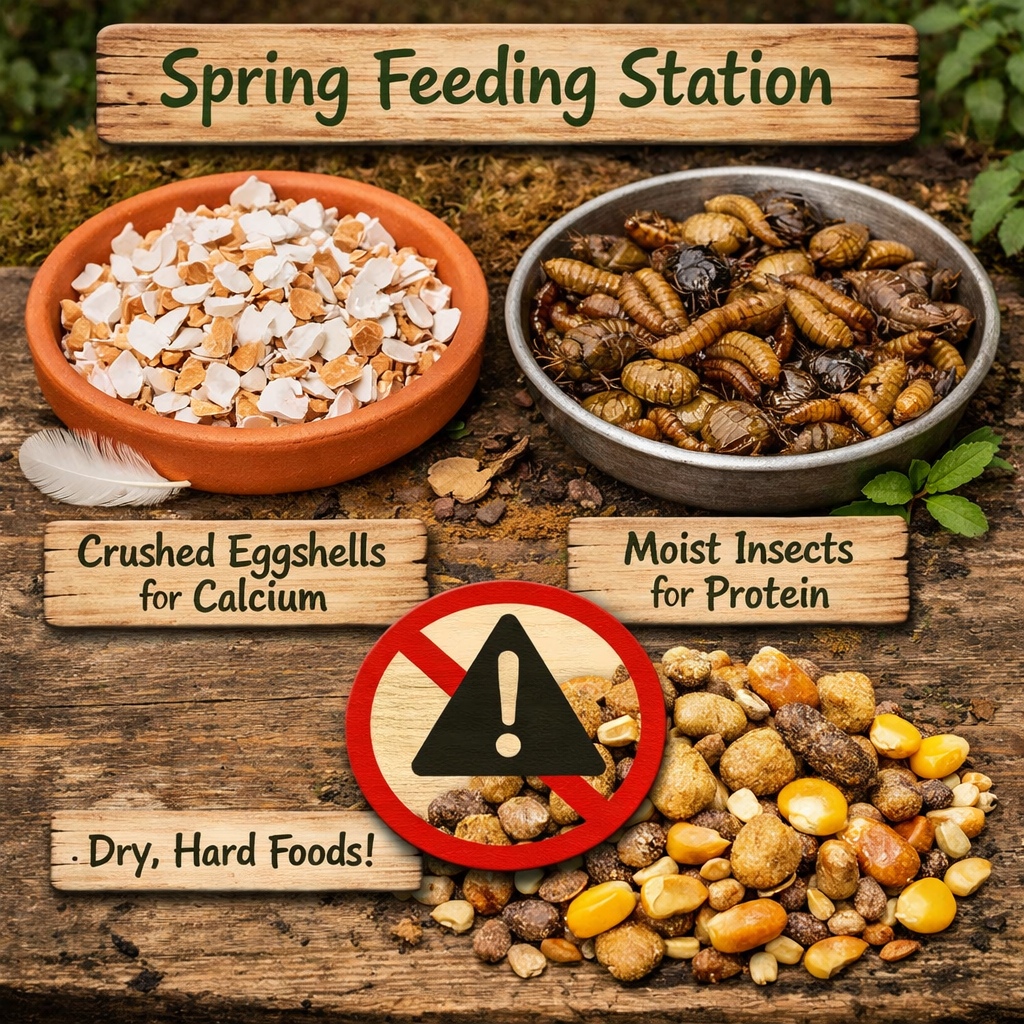
- Calcium for eggshell formation
- Softer foods suitable for young birds
- Reduced reliance on artificial fats
Failing to adjust feeding between seasons is one of the most common bird feeding mistakes.tanding this shift helps prevent common mistakes, such as continuing heavy fat feeding into the nesting season.
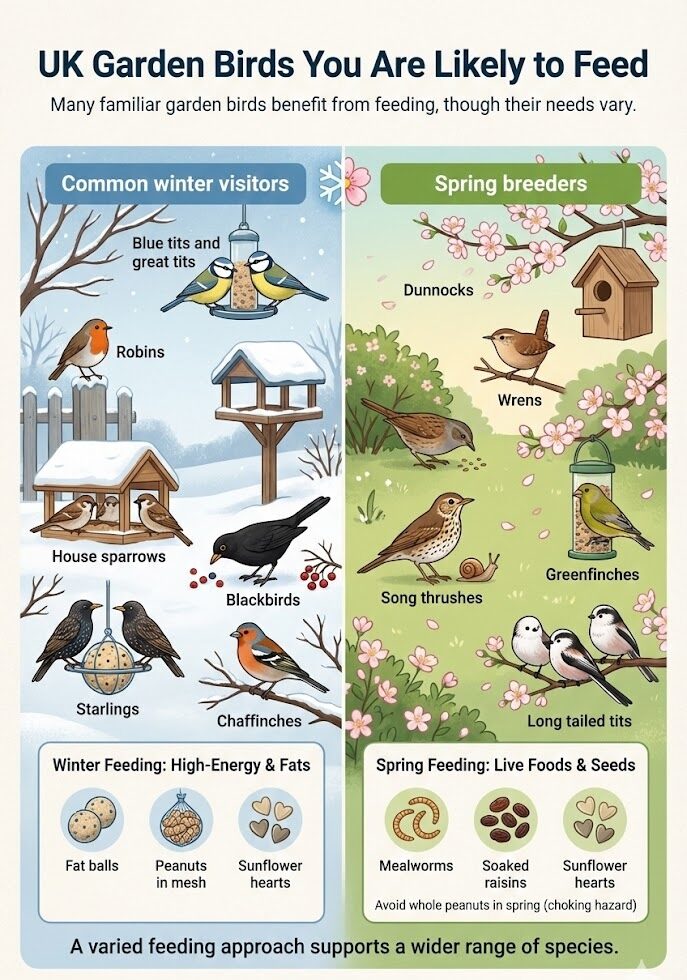
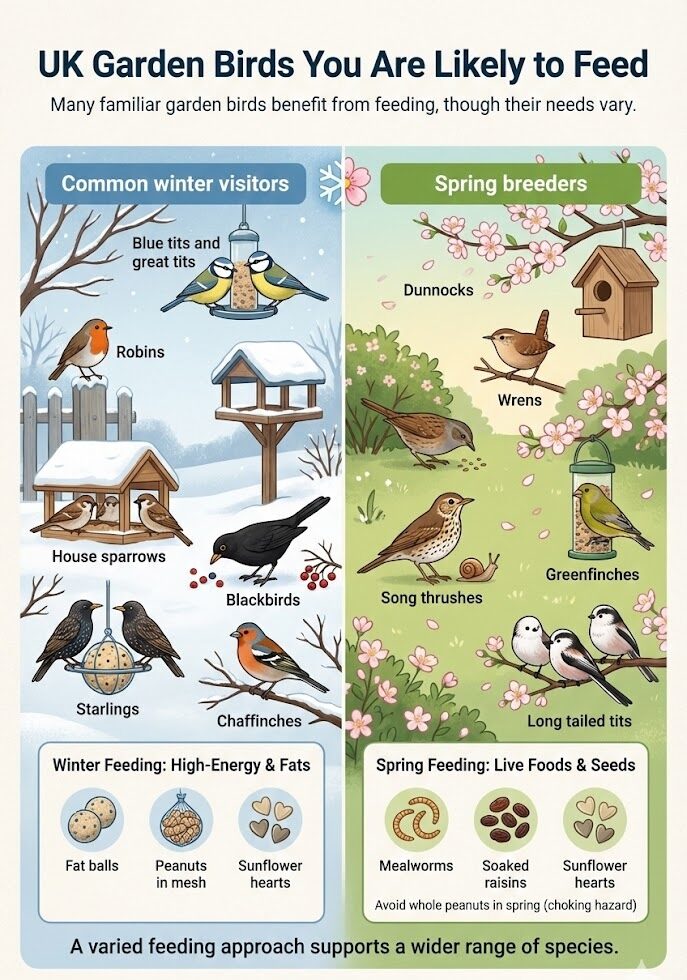
UK Garden Birds You Are Likely to Feed
Many familiar garden birds benefit from feeding, though their needs vary.
Common winter visitors
- Blue tits and great tits
- Robins
- Blackbirds
- House sparrows
- Starlings
- Chaffinches
Spring breeders
- Dunnocks
- Wrens
- Song thrushes
- Greenfinches
- Long tailed tits
A varied feeding approach supports a wider range of species.
Understanding Bird Nutrition Basics
Bird nutrition is often oversimplified into lists of good and bad foods, but understanding the underlying principles helps explain why seasonal changes matter.
Fats
Fats are dense energy sources and essential during cold weather. In winter, birds rely on fat to maintain body heat and fuel constant activity. However, excessive fat intake in spring can displace more nutritionally balanced foods and may be unsuitable for chicks.
Proteins
Protein supports muscle development, feather growth, egg formation, and chick development. During spring, protein becomes the most critical nutrient. Insects are the natural source, but supplementary protein can help when insects are scarce.
Moisture and digestion
Many dry foods require moisture to digest properly. Adult birds can usually compensate, but chicks cannot. This is why dry, hard foods pose a greater risk during the breeding season.
Calcium and minerals
Calcium supports eggshell formation and skeletal development. Birds normally obtain it from insects and natural grit, but gardens may lack these sources, particularly in urban areas.
A varied diet offered thoughtfully is more important than any single perfect food.
Natural Food vs Supplementary Feeding
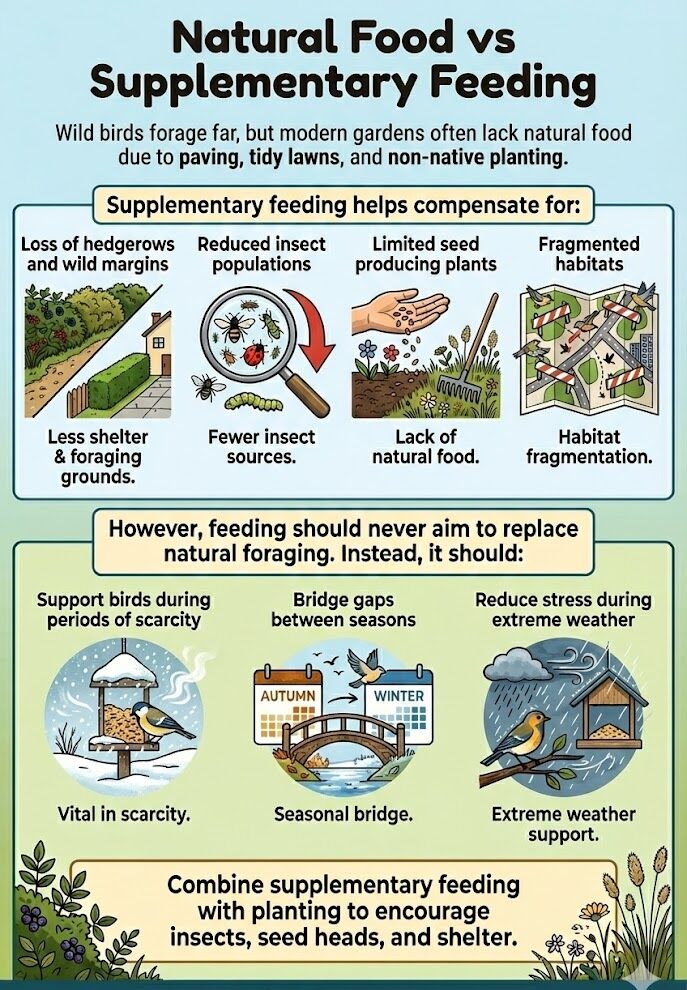
In the wild, birds spend much of their time foraging across a wide area. Modern gardens, however, often provide fewer natural food sources due to paving, tidy lawns, and non native planting.
Supplementary feeding helps compensate for:
- Loss of hedgerows and wild margins
- Reduced insect populations
- Limited seed producing plants
- Fragmented habitats
However, feeding should never aim to replace natural foraging. Instead, it should:
- Support birds during periods of scarcity
- Bridge gaps between seasons
- Reduce stress during extreme weather
A healthy garden combines supplementary feeding with planting that encourages insects, seed heads, and shelter.
What to Feed Garden Birds in Winter
Winter feeding is about providing reliable, accessible energy when birds need it most.
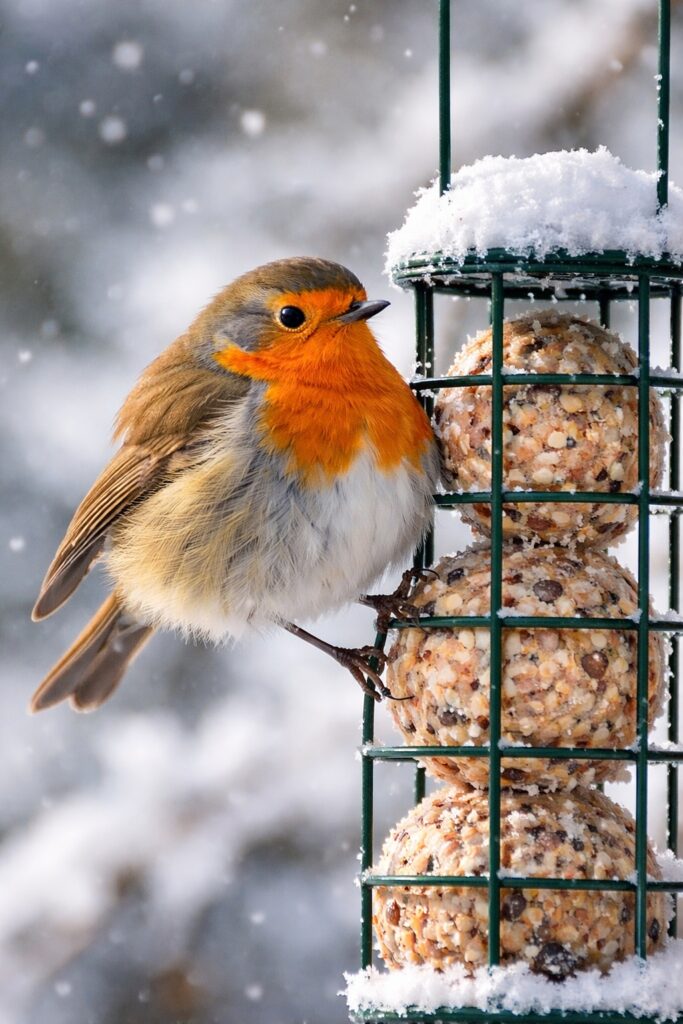
High fat foods help birds:
- Maintain body temperature
- Recover from cold nights
- Cope with reduced daylight feeding hours
During prolonged cold spells, feeding frequency becomes as important as food type. Birds may visit feeders repeatedly throughout the day, and empty feeders can force them to expend precious energy searching elsewhere.
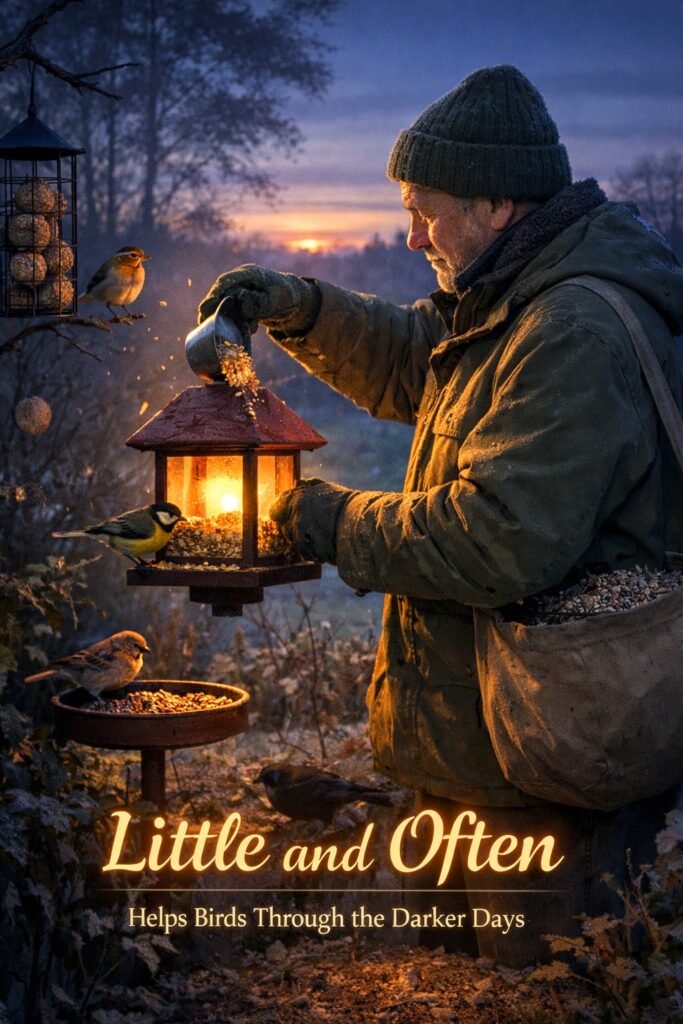
Offering food little and often, checking feeders daily, and providing more than one feeding station can make a significant difference during harsh conditions.
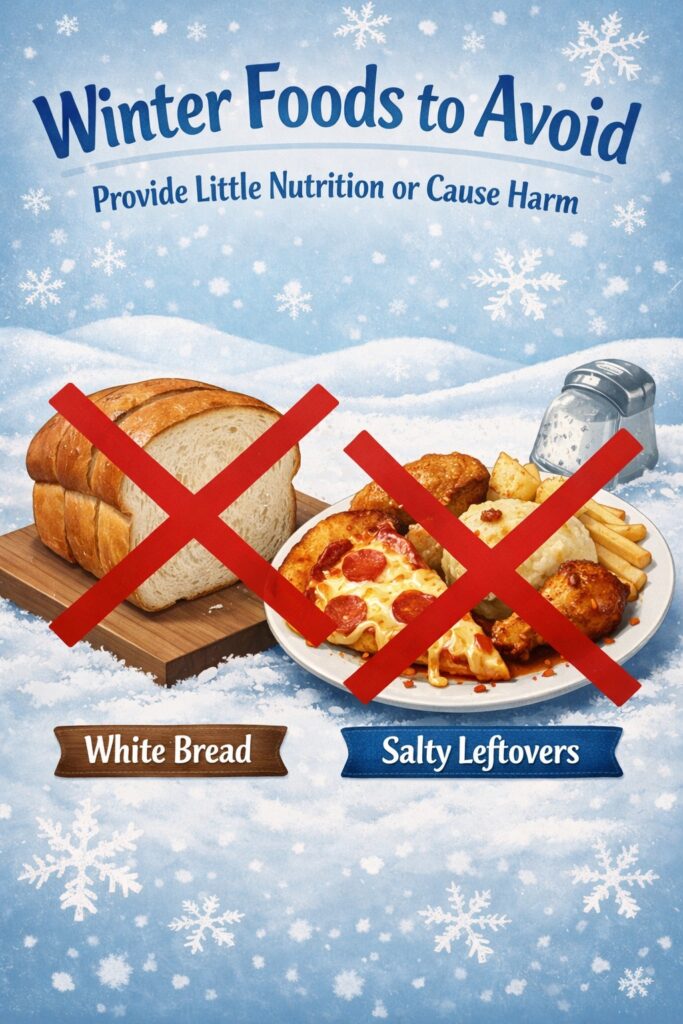
Winter foods to avoid
Some foods can do more harm than good.
- Bread, which fills birds without providing nutrition
- Salted or flavoured foods
- Cooking fat or lard
- Cheap seed mixes with excessive fillers
- Mouldy or frozen food
How to Feed Birds Safely in Winter
- Place feeders away from strong winds
- Provide shelter and clear escape routes
- Clear snow for ground feeding birds
- Check feeders daily during frost
- Prevent food from freezing where possible
Consistency matters most during cold weather.
Emergency Feeding During Extreme Weather
Extreme weather events can occur at any point between late autumn and early spring, and birds are particularly vulnerable when conditions change suddenly.
What qualifies as an emergency
- Prolonged snow cover
- Frozen ground lasting several days
- Extended periods of heavy frost
- Sudden cold snaps following mild weather
During these times, birds struggle to access natural food and may already be operating at an energy deficit.
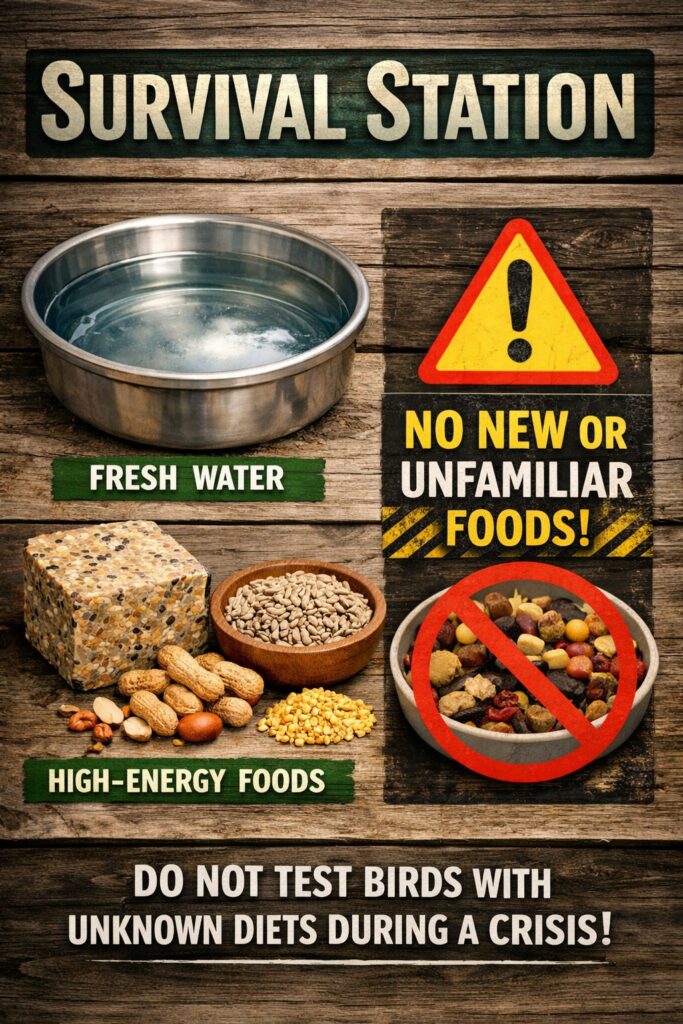
What to do
- Increase feeding frequency rather than leaving large quantities at once
- Prioritise familiar, high energy foods
- Keep access points clear throughout the day
- Provide fresh, unfrozen water
What not to do
- Introduce unfamiliar foods
- Move feeders abruptly
- Overload feeding areas, which increases competition and disease risk
Emergency feeding should continue until conditions ease, followed by a gradual return to normal seasonal routines.
Late Autumn to Early Winter Feeding
This transition period allows birds to:
- Build fat reserves
- Learn feeder locations
- Establish reliable feeding routines
Maintaining feeding during early cold spells can prevent energy debt later in winter.
Mid Winter Feeding and Dehydration
Birds lose moisture even in cold weather. Frozen water sources increase dehydration risk.
Providing fresh water:
- Supports digestion
- Maintains feather condition
- Reduces stress
Refresh water daily and never add salt or chemicals.
What to Feed Garden Birds in Early Spring
As temperatures rise, birds begin preparing for breeding. Feeding should gradually shift to support this change.
Key spring feeding principles
- Reduce high fat foods
- Increase protein sources
- Provide softer foods
- Maintain consistent feeding routines
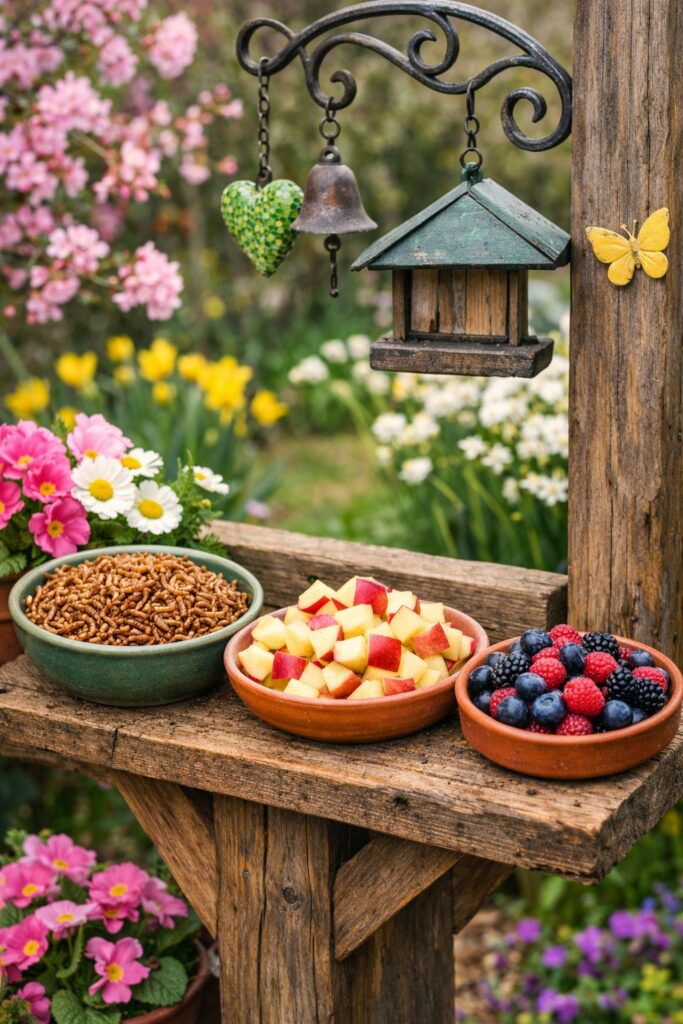
Best spring foods for garden birds
Mealworms
High protein and ideal for breeding preparation.
High quality seed mixes
Choose mixes with sunflower hearts and minimal fillers.
Soft fruits
Chopped apples, pears, and berries.
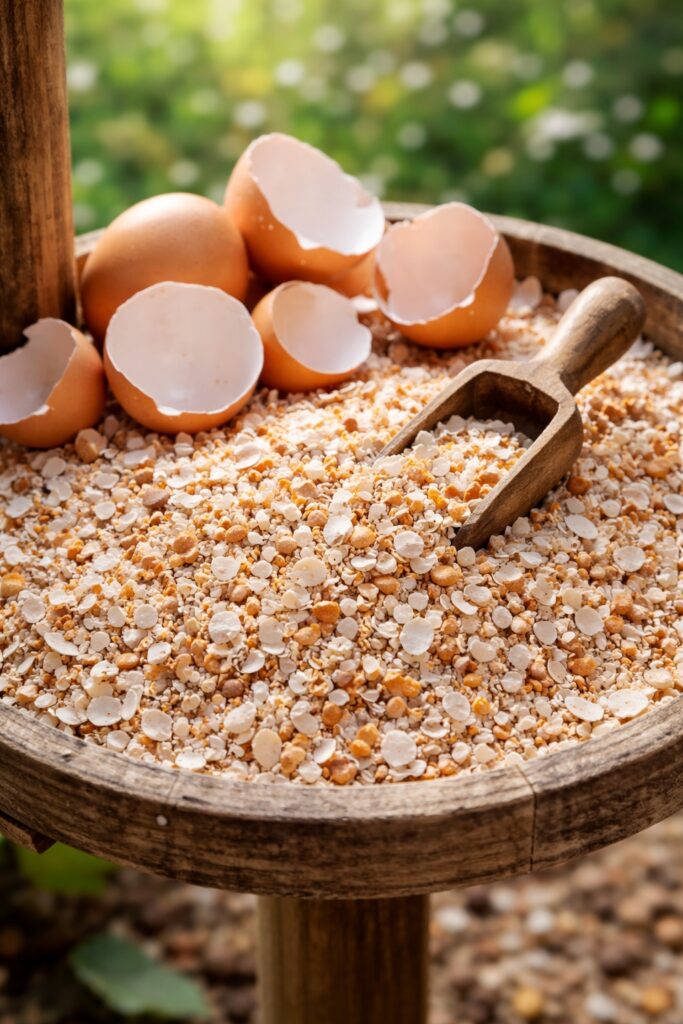
Calcium sources
Crushed, baked eggshells offered sparingly.
Crushed eggshells baked briefly to kill bacteria can be offered in moderation.
Transitioning From Winter to Spring Feeding
Late winter and early spring are the most challenging periods for birds and for gardeners trying to feed responsibly. Fat reserves are low, breeding behaviour is beginning, and natural food sources have not fully recovered.
Signs birds are entering breeding mode include:
- Increased singing
- Territorial disputes
- Nest building activity
- Courtship displays
This transition period is when most feeding mistakes occur. Removing fat based foods too early can leave birds short of energy, while continuing heavy fat feeding too long may interfere with breeding nutrition.
Gradual change is key. Reduce fat based foods slowly, introduce protein rich options, and remain responsive to sudden cold snaps.
Feeding Birds During the Breeding Season
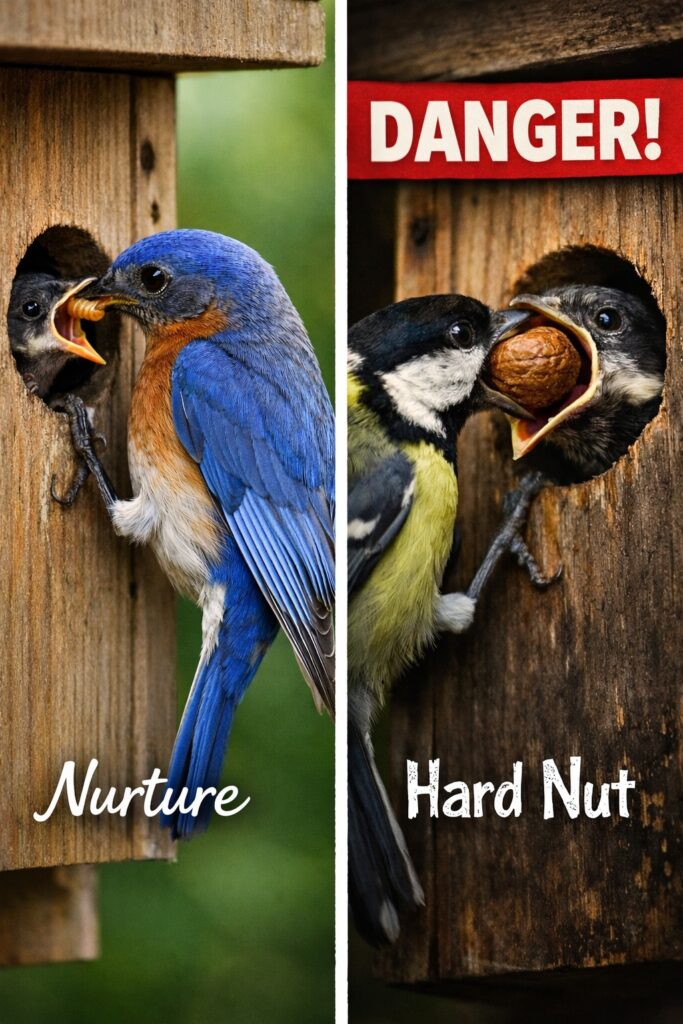
Once eggs hatch, feeding practices need extra care. Adult birds may carry food directly from feeders to nests, and chicks have very specific dietary needs.
Young birds require:
- Soft, moist food
- High protein content
- Frequent feeding in small amounts
Dry seeds, large nuts, and hard foods can be dangerous at this stage. Even foods that are safe for adults may pose risks to chicks.
By offering appropriate foods and keeping feeders clean and well placed, gardeners can support breeding success without interfering with natural behaviour.
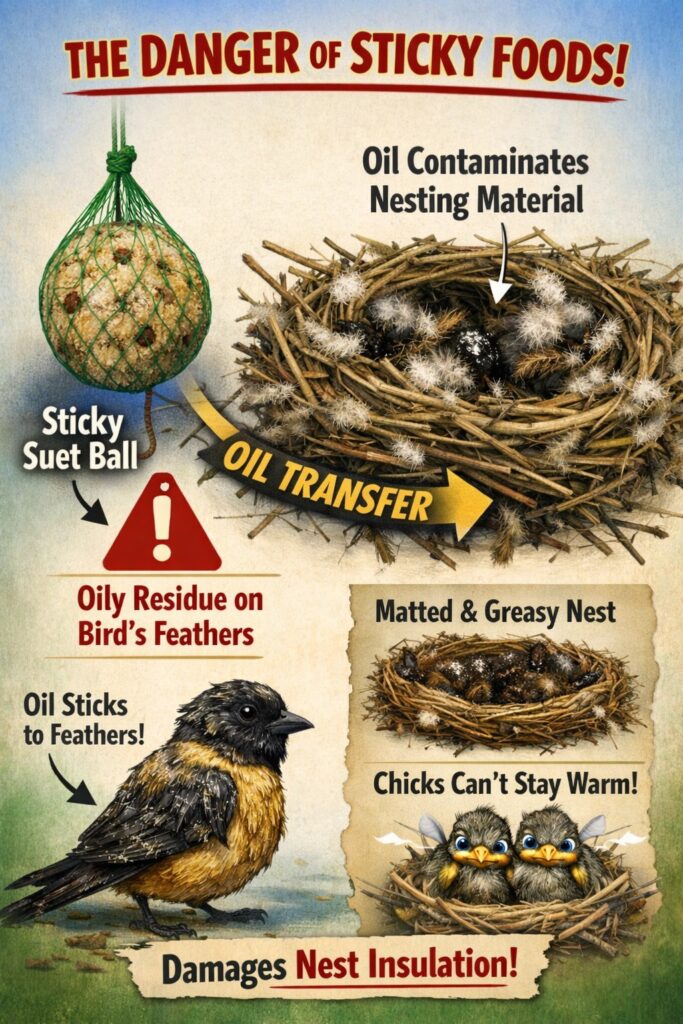
Sticky or oily foods can transfer from adult birds to nesting material. This can reduce insulation, attract parasites, and increase chick mortality.
Reducing suet and similar foods during peak nesting season lowers this risk. Offering cleaner, softer foods supports adult birds without compromising nest hygiene.
Awareness of how food travels from feeder to nest is essential for responsible spring feeding.
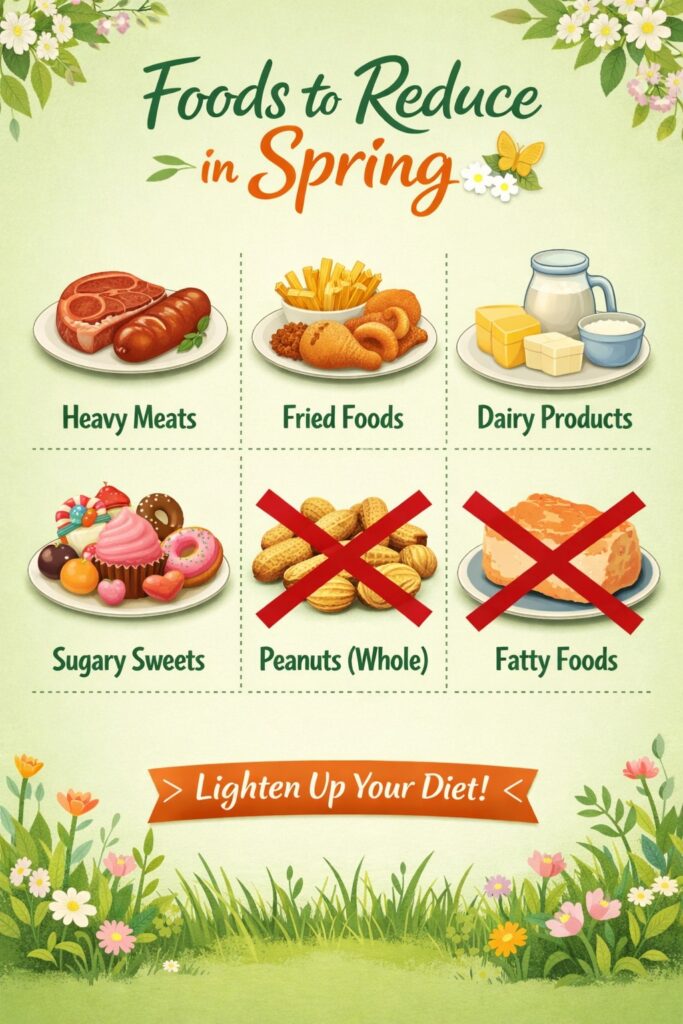
Foods You Should Stop or Reduce in Spring
Some winter staples should be phased out.
- Fat balls and suet blocks
- Whole peanuts
- Large chunks of food
- Sticky foods that may contaminate nests
Gradual reduction is better than sudden removal, especially if birds have relied on feeders during late winter.
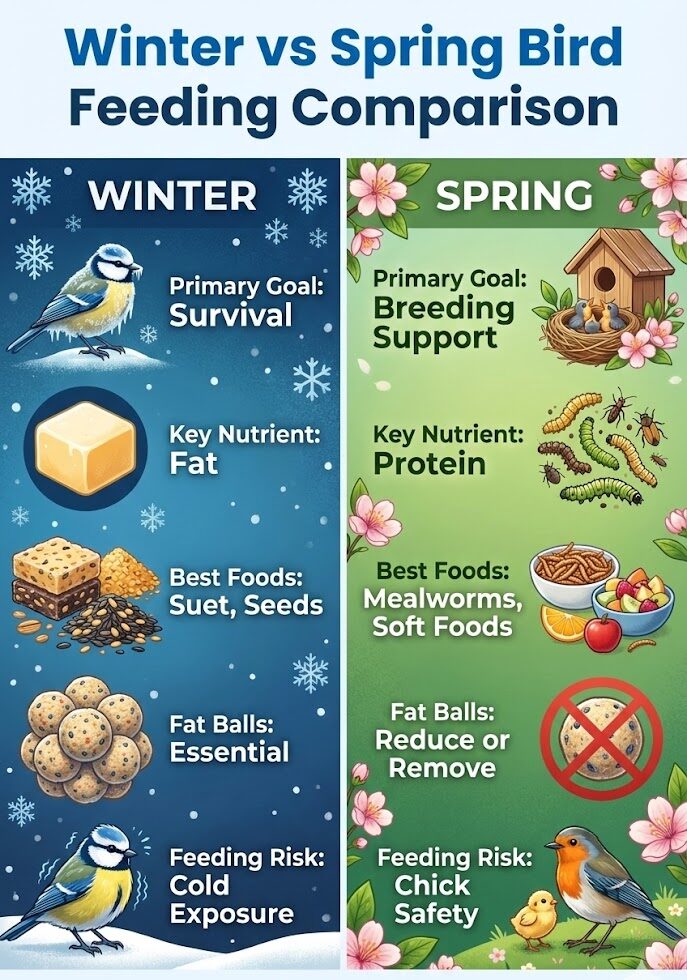
Winter vs Spring Bird Feeding Comparison
| Aspect | Winter | Spring |
|---|---|---|
| Primary goal | Survival | Breeding support |
| Key nutrient | Fat | Protein |
| Best foods | Suet, seeds | Mealworms, soft foods |
| Fat balls | Essential | Reduce or remove |
| Feeding risk | Cold exposure | Chick safety |
Ground Feeding vs Hanging Feeders
Different birds feed in different ways, and understanding this helps ensure support reaches a wider range of species.
Ground feeding in winter
Ground feeding is vital for blackbirds, robins, and thrushes, especially when soil is frozen. Clearing snow and offering food on raised trays helps prevent starvation.
However, winter ground feeding carries risks:
- Increased vulnerability to predators
- Damp conditions causing food spoilage
- Greater disease transmission if hygiene is poor
Ground feeding in spring
As temperatures rise, disease risk increases. Damp trays and leftover food can quickly become breeding grounds for bacteria. During peak breeding, reducing or temporarily removing ground feeding may be appropriate, particularly in small gardens.
Hanging feeders
Hanging feeders suit tits, finches, and sparrows. Using several feeders spaced apart reduces dominance and allows weaker birds to feed safely.
Seasonal adjustment of feeder types helps balance access and safety.
Feeding Birds in Gardens With Pets
Many UK gardens are shared with pets, particularly cats, which adds another layer of consideration when feeding birds.
Cats and predation
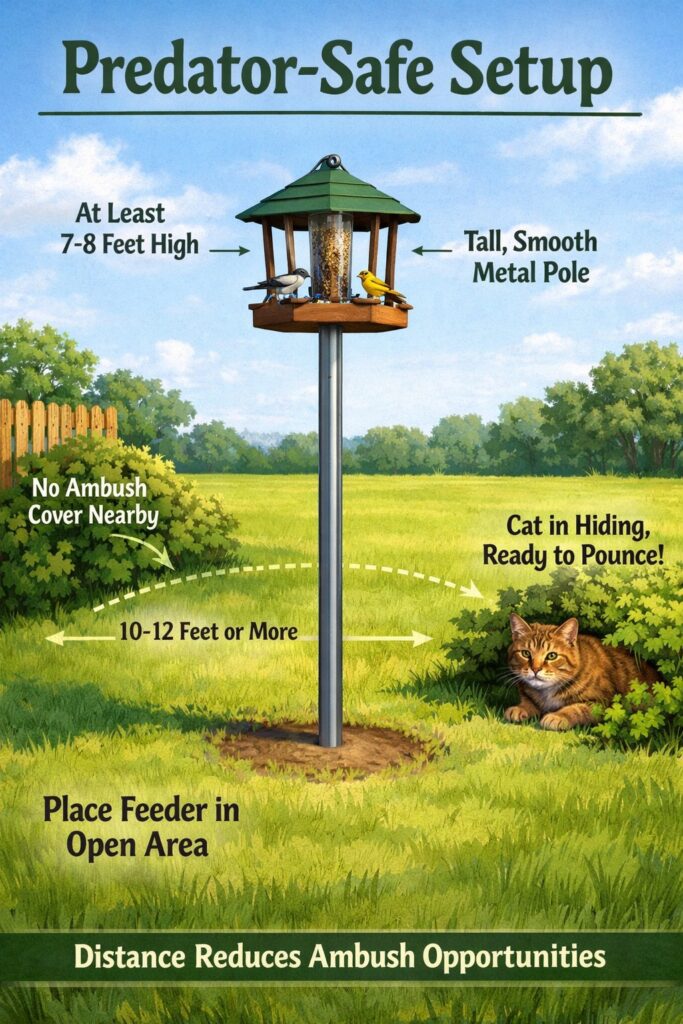
Cats hunt most actively at dawn and dusk, which often coincides with peak bird feeding times. Placing feeders well away from cover, such as fences or shrubs, reduces ambush opportunities.
Raising feeders higher and using smooth poles can also help. Moving feeders seasonally prevents predators from learning predictable patterns.
Dogs and feeding areas
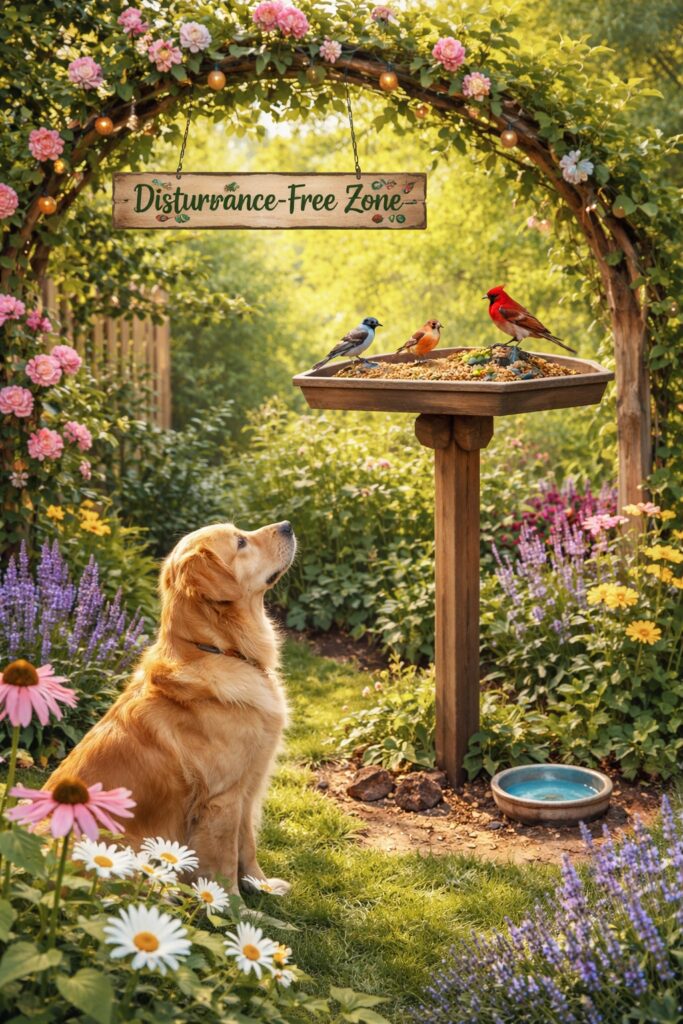
Dogs may disturb ground feeding areas or consume bird food. Keeping feeders in quiet zones and using raised platforms helps minimise disruption.
Creating refuge areas with dense planting allows birds to retreat quickly if threatened.
How Feeding Affects Bird Behaviour
Feeding stations can influence:
- Dominance and aggression
- Territorial behaviour in spring
- Species diversity
Spreading feeders across the garden helps minimise conflict.
Choosing the Right Feeders for Each Season
Different feeders suit different foods and seasons.
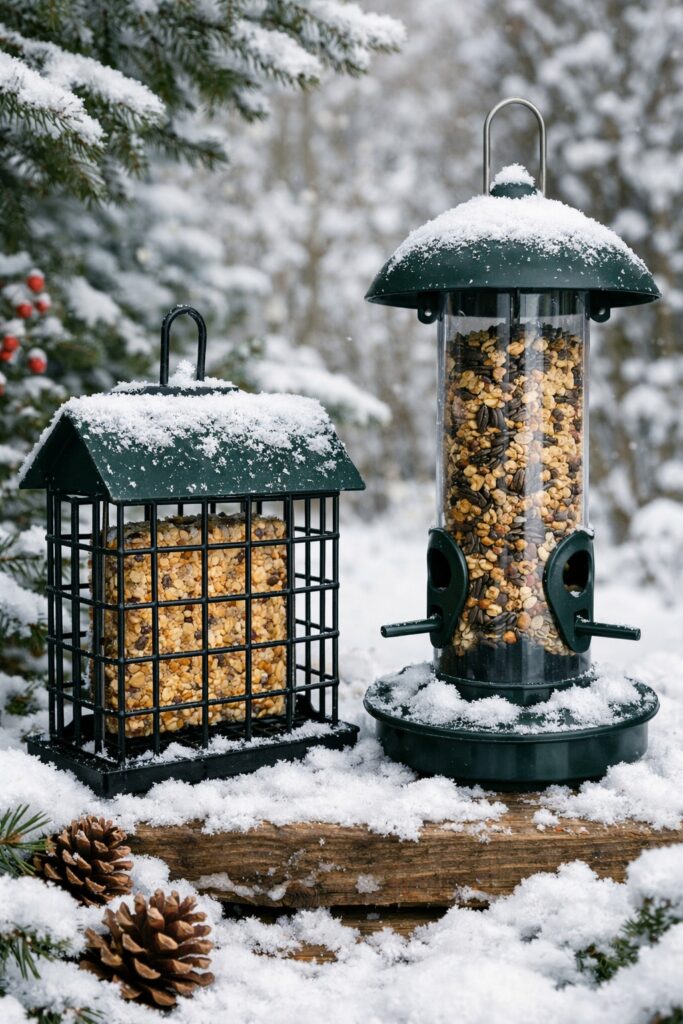
Winter feeders
- Suet cages
- Tube feeders
- Weather resistant designs
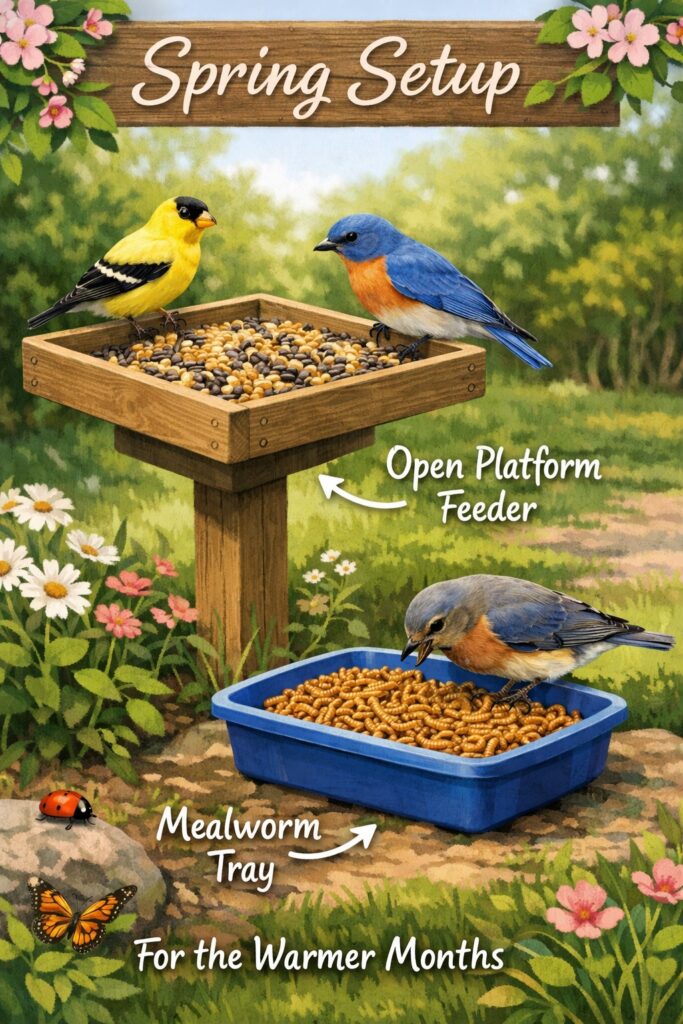
Spring feeders
- Mealworm trays
- Open platform feeders
- Feeders positioned away from nesting sites
Where to Place Bird Feeders in Winter vs Spring
Winter placement
- Sheltered from wind
- Close to cover
- Easy access in snow
Spring placement
- Away from nests
- Clear escape routes
- Reduced crowding
How Often Should You Feed Birds
Consistency is important.
- Feed daily if possible
- Avoid sudden stops
- Reduce gradually in spring
- Provide fresh food only
If you go on holiday, it is better to stop feeding gradually rather than leaving large amounts unattended.
Hygiene and Disease Prevention
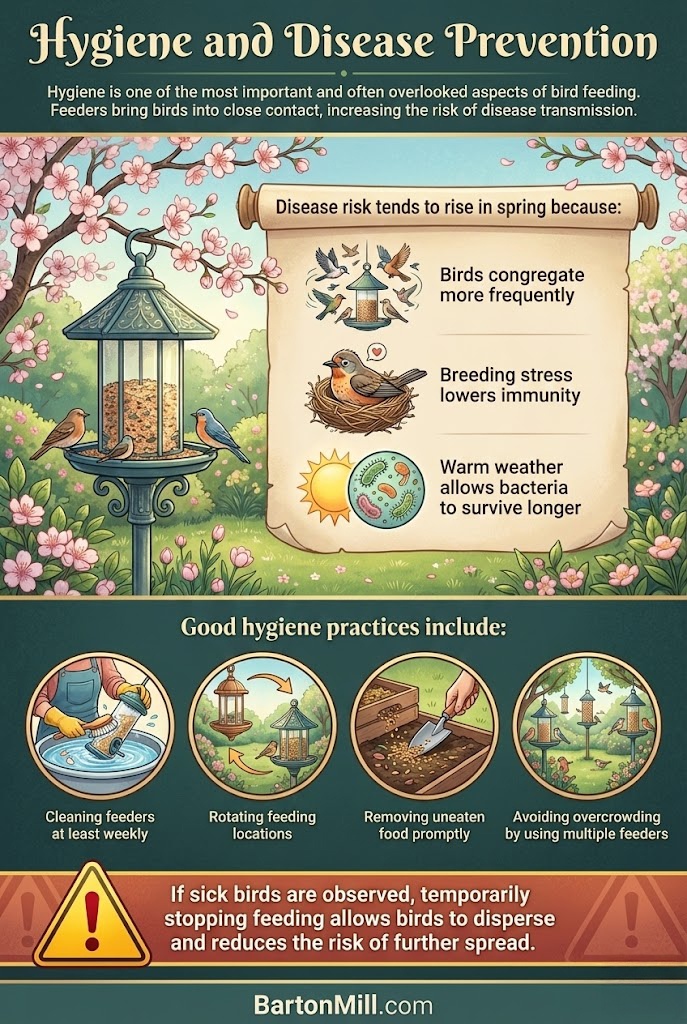
Hygiene is one of the most important and often overlooked aspects of bird feeding. Feeders bring birds into close contact, increasing the risk of disease transmission.
Disease risk tends to rise in spring because:
- Birds congregate more frequently
- Breeding stress lowers immunity
- Warm weather allows bacteria to survive longer
Good hygiene practices include:
- Cleaning feeders at least weekly
- Rotating feeding locations
- Removing uneaten food promptly
- Avoiding overcrowding by using multiple feeders
If sick birds are observed, temporarily stopping feeding allows birds to disperse and reduces the risk of further spread.
Feeding During Hedge and Tree Cutting Season
Habitat disturbance increases stress and food scarcity.
Temporary feeding:
- Helps displaced birds
- Supports energy needs
- Should be reduced once habitat recovers
Avoid cutting during peak nesting season whenever possible.
Supporting Birds Beyond Food
While feeding plays an important role, it is only one part of supporting garden birds.
Habitat and planting
Native shrubs and flowering plants support insects, which are essential during breeding season. Leaving seed heads over winter provides natural food and shelter.
Water sources
Birds need water year round. In winter, unfrozen water prevents dehydration. In spring, water supports bathing and feather maintenance, which is vital during breeding.
Long term garden planning
Reducing pesticide use, maintaining hedges, and allowing some areas to grow naturally all contribute to a healthier ecosystem. Over time, this reduces reliance on feeders and supports birds more sustainably.
Gardens that offer food, water, shelter, and safety become valuable refuges in an increasingly fragmented landscape.
RSPB Guidance Explained Simply
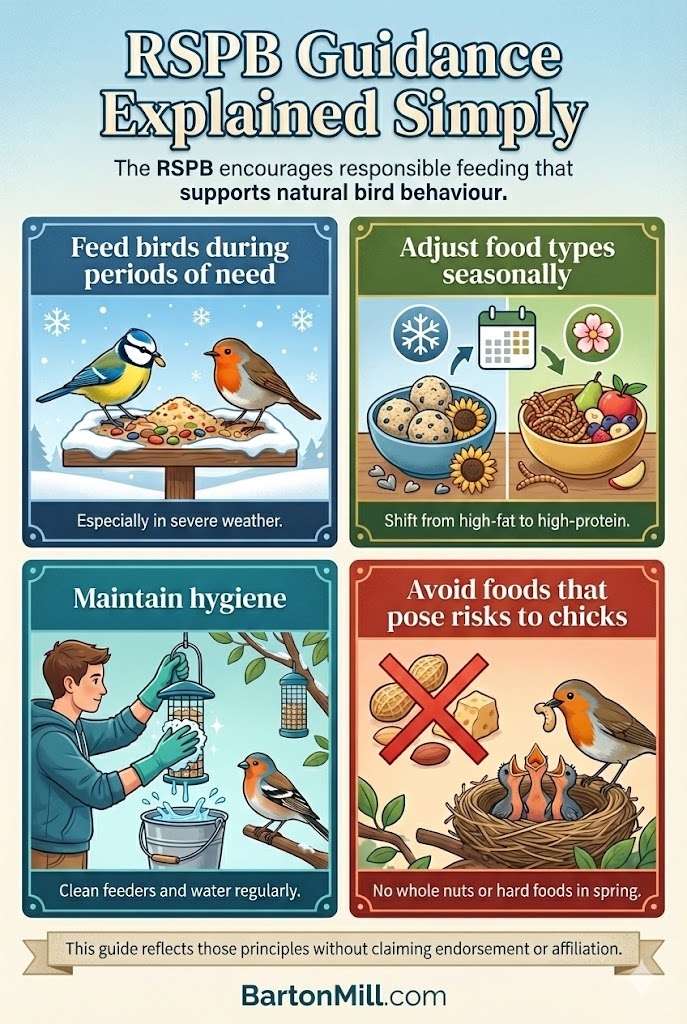
The RSPB encourages responsible feeding that supports natural bird behaviour.
Key points include:
- Feed birds during periods of need
- Adjust food types seasonally
- Maintain hygiene
- Avoid foods that pose risks to chicks
This guide reflects those principles without claiming endorsement or affiliation.
Feeding Birds in Different Garden Types
Small gardens
Use compact feeders and avoid overcrowding.
Balconies
Stick to clean feeders and avoid foods that may attract pests.
Large gardens
Offer a variety of feeding stations to reduce competition.
Common Bird Feeding Myths
Birds become dependent on feeders
False. Birds still forage naturally and use feeders as a supplement.
You should never feed birds in spring
False. Feeding is beneficial when done correctly.
Bread is harmless
False. Bread offers little nutrition and can cause problems.
Frequently Asked Questions
Can I feed garden birds all year round in the UK?
Yes, you can feed garden birds throughout the year, but the type of food should change with the seasons. High energy foods are most useful in winter, while spring feeding should focus more on protein and softer foods to support breeding birds.
When should I stop feeding fat balls to birds?
Fat balls are most beneficial during winter and should be gradually reduced as spring approaches. During the main breeding season, it is best to remove fat balls and suet to reduce the risk of unsuitable food being taken to chicks.
Are mealworms safe for birds in spring?
Yes, mealworms are safe and particularly useful in spring because they provide protein needed for egg laying and chick development. Live or soaked dried mealworms are preferable, as very dry food can be difficult for young birds to digest.
What should I do if it snows or freezes in spring?
If there is snow or prolonged frost in spring, it is appropriate to temporarily reintroduce winter foods such as suet and high energy seed. Once conditions improve, feeding should be adjusted back to spring appropriate foods.
Do birds become dependent on feeders if I feed them regularly?
No, birds do not become dependent on feeders. Garden feeding supplements their natural diet, but birds continue to forage naturally and will move elsewhere if food is unavailable.
Is this bird feeding advice the same as RSPB guidance?
This advice reflects widely accepted UK bird feeding principles and aligns with guidance shared by organisations such as the RSPB, but it is provided for general information and is not endorsed by the RSPB.
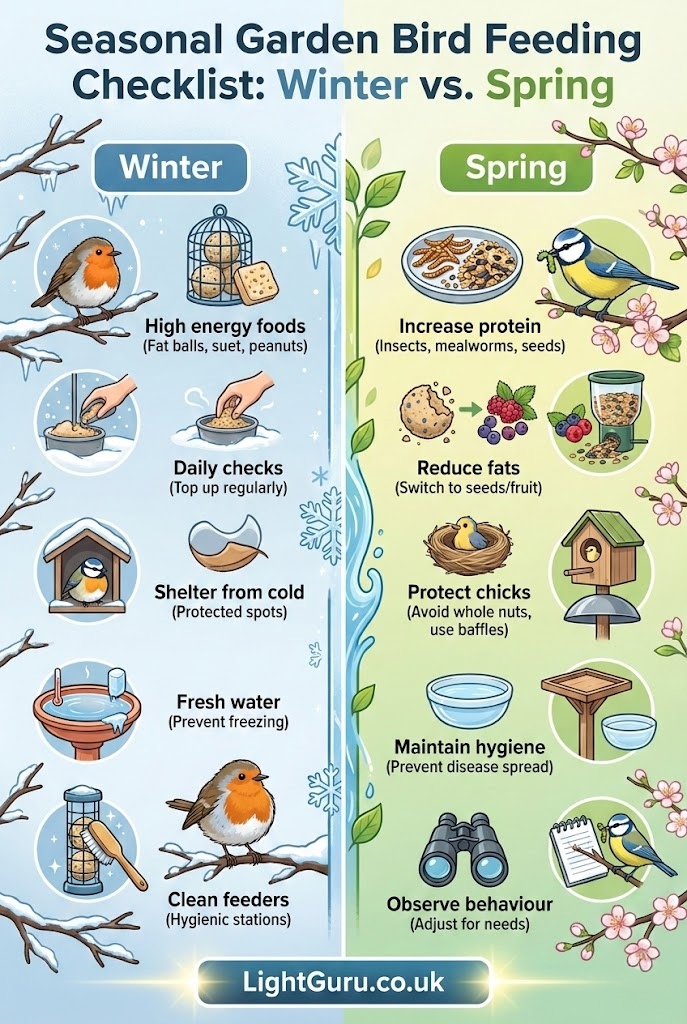
Quick Seasonal Feeding Checklist
Winter
- High energy foods
- Daily checks
- Shelter from cold
- Fresh water
- Clean feeders
Spring
- Increase protein
- Reduce fats
- Protect chicks
- Maintain hygiene
- Observe behaviour
Final Thoughts: Feeding Birds Responsibly All Year
Feeding garden birds is a privilege as well as a responsibility. By adjusting what you offer in winter versus spring, you help birds survive harsh conditions and raise healthy young.
Seasonal feeding does not require perfection, only awareness. Observing birds behaviour, responding to changing conditions, and keeping feeding areas safe will always matter more than the exact food offered.
With thoughtful care, your garden can remain a valuable refuge for birds throughout the year.