

Living in a city often means accepting a certain level of background noise. Traffic, neighbours, late-night activity, and early-morning deliveries can all disrupt rest and make bedrooms feel less like sanctuaries and more like extensions of the street outside.
Soundproofing tips for urban bedrooms focus on reducing everyday noise to create a calmer, more restful sleeping environment.
While true professional soundproofing requires structural work, there are many practical, realistic ways to reduce noise and improve acoustic comfort in an urban bedroom. When applied thoughtfully, these changes can significantly improve sleep quality and overall wellbeing.
This guide explains how sound travels, what actually makes a difference in bedrooms, and how to create a quieter, calmer sleeping space without turning your home into a construction site.
Table of Contents
Understanding Noise in Urban Bedrooms
Before addressing solutions, it helps to understand the types of noise most common in city environments.
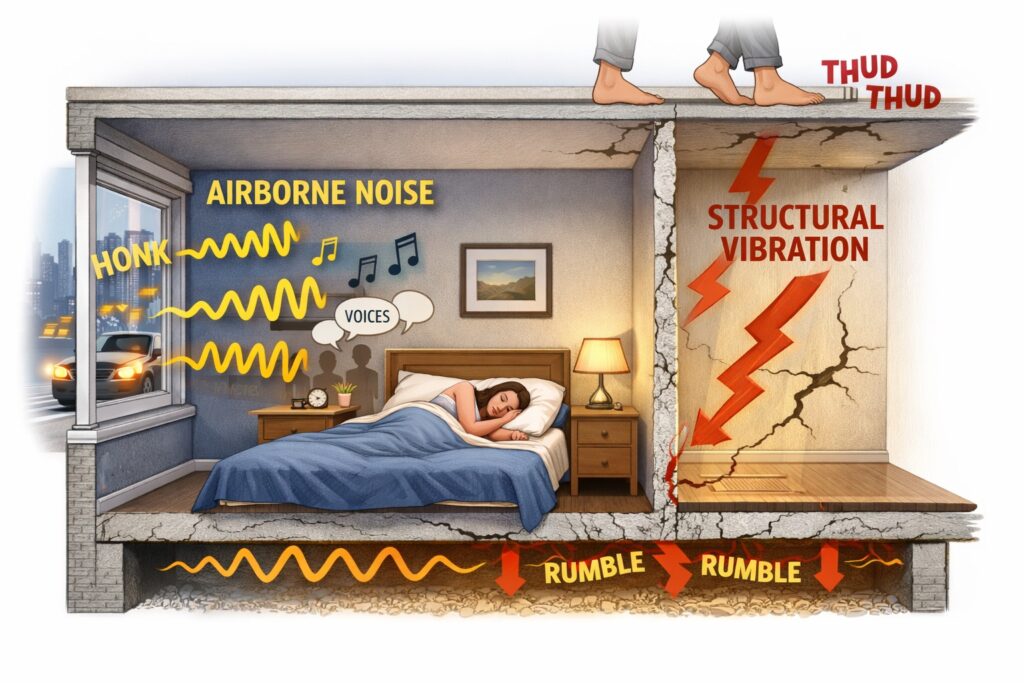
Urban bedroom noise usually falls into three categories:
- Airborne noise such as voices, traffic, or music
- Impact noise like footsteps or doors closing
- Structural vibration transmitted through walls and floors
Most bedroom noise issues involve airborne sound entering through windows, walls, or doors. Reducing these pathways is more effective than trying to block sound entirely.
Environmental noise has been linked to sleep disturbance and reduced wellbeing, according to guidance from the World Health Organization.
Soundproofing Tips for Urban Bedrooms: Setting Realistic Expectations
It is important to be clear about what soundproofing can and cannot do.
True soundproofing involves structural changes such as adding mass, sealing gaps, and isolating surfaces. This is often expensive and not always possible in rented or shared buildings.
However, sound reduction is achievable. Even small improvements can noticeably lower perceived noise, making a bedroom feel calmer and more controlled.
The goal is not silence, but audible comfort.

Sealing Gaps: The Most Overlooked Solution
Sound travels through gaps more easily than solid surfaces.
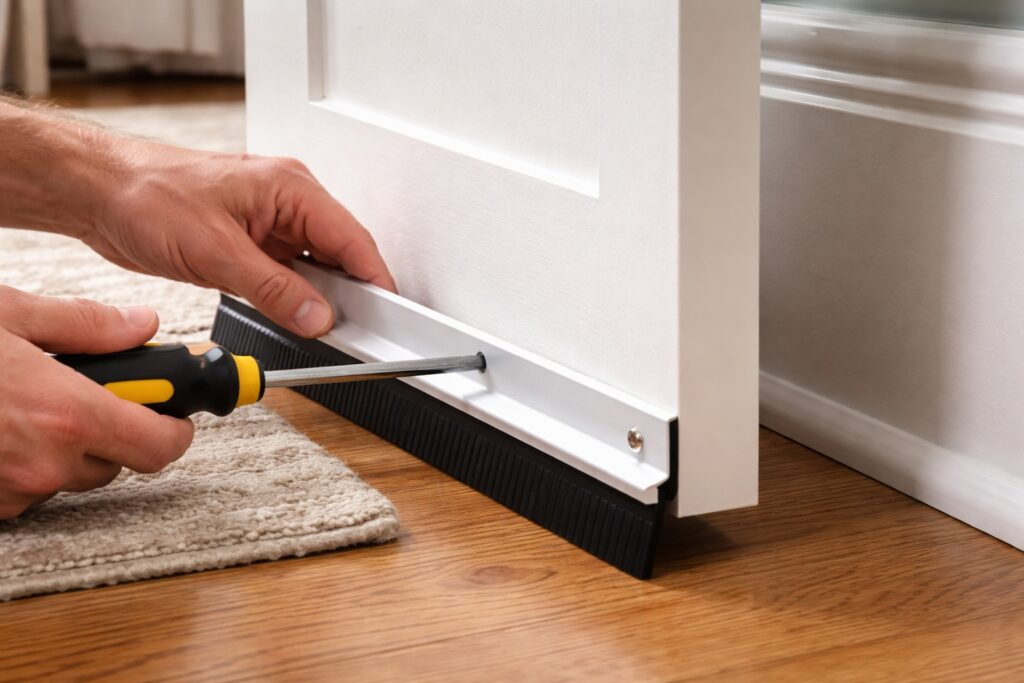
Small openings around windows, doors, and floor edges allow noise to pass through with surprising efficiency. Sealing these gaps is one of the most cost-effective sound reduction steps available.
Focus on:
- Draft excluders for doors
- Acoustic sealant around window frames
- Door sweeps to close gaps at the threshold
These changes are inexpensive, reversible, and often improve thermal comfort as well.

Improving Window Sound Insulation
Windows are usually the weakest point in an urban bedroom.
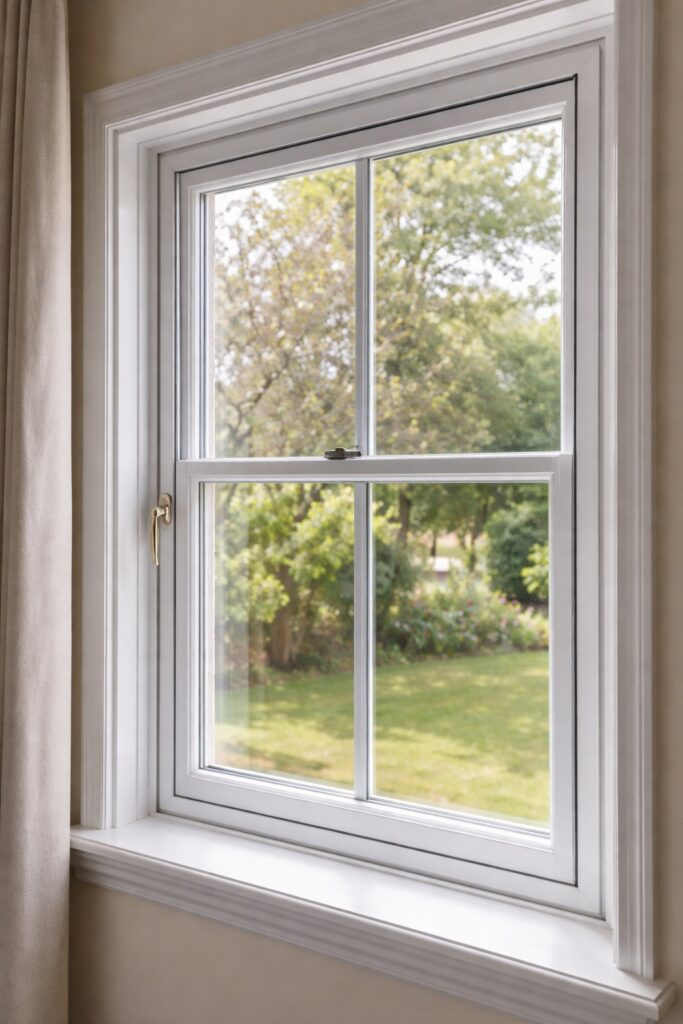
Single glazing and poorly sealed frames allow traffic noise and street sounds to enter easily. While replacing windows may not be an option, there are alternatives.
Options include:
- Secondary glazing panels
- Heavy, lined curtains
- Window inserts designed for noise reduction
Thick curtains work best when they extend beyond the window frame and hang close to the wall. They absorb sound rather than block it, reducing echo and sharp noise.

Soft Furnishings as Natural Sound Absorbers
Hard surfaces reflect sound. Soft surfaces absorb it.
Urban bedrooms often benefit from additional textiles, which help reduce echo and soften noise.
Effective sound absorbing furnishings include:
- Upholstered headboards
- Thick rugs or carpet
- Fabric wall hangings
- Cushions and throws
These elements reduce internal noise reflection, making external sounds feel less intrusive.


Wall Treatments That Reduce Noise
Walls shared with neighbours are common noise entry points.
While major wall insulation requires construction, surface treatments can still help.
Consider:
- Bookshelves filled with books
- Fabric covered panels or wall art
- Acoustic panels disguised as décor
Mass and texture both help disrupt sound waves. Even a well stocked bookshelf against a shared wall can noticeably reduce noise transfer.


Bedroom Layout and Furniture Placement
Furniture placement affects how sound moves through a room.
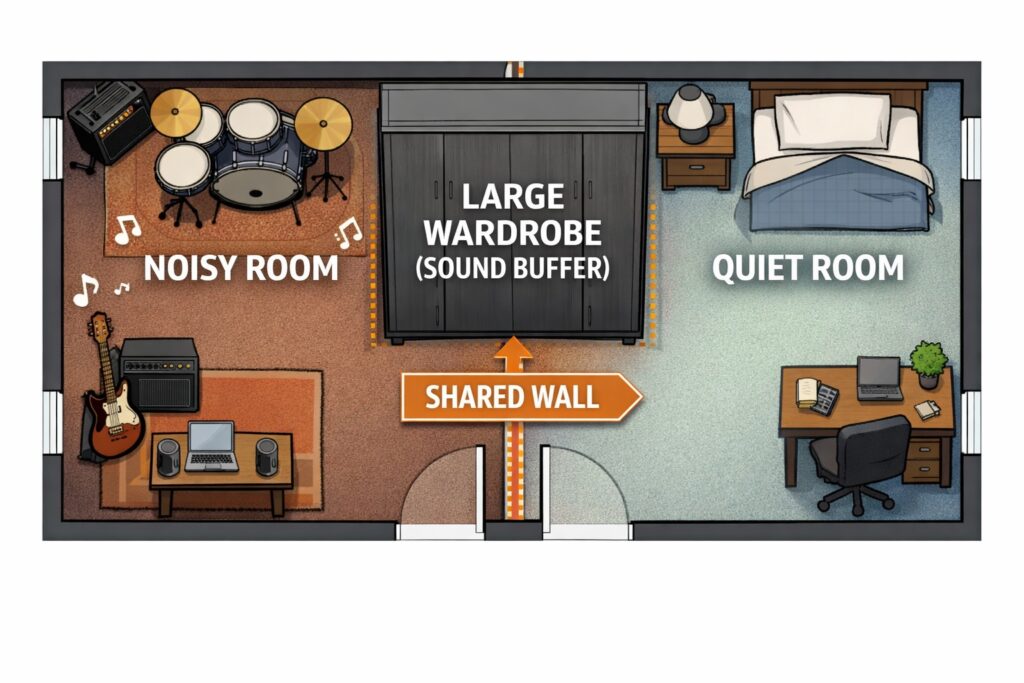
Placing the bed against a shared wall often increases perceived noise. If possible, position the bed against an internal wall instead.
Large furniture pieces, such as wardrobes or dressers, can act as sound buffers when placed against noisy walls. This approach is especially helpful in flats and terraced homes.

Managing Noise From Above and Below
Impact noise from upstairs neighbours or lower floors can be difficult to address, but some measures help.
Thick rugs with underlay reduce footstep noise, both for you and for neighbours below. Soft footwear indoors also minimises impact noise within your own space.
In apartments, ceiling treatments are rarely practical, so focus on absorption within the room to reduce overall disturbance.


White Noise and Sound Masking
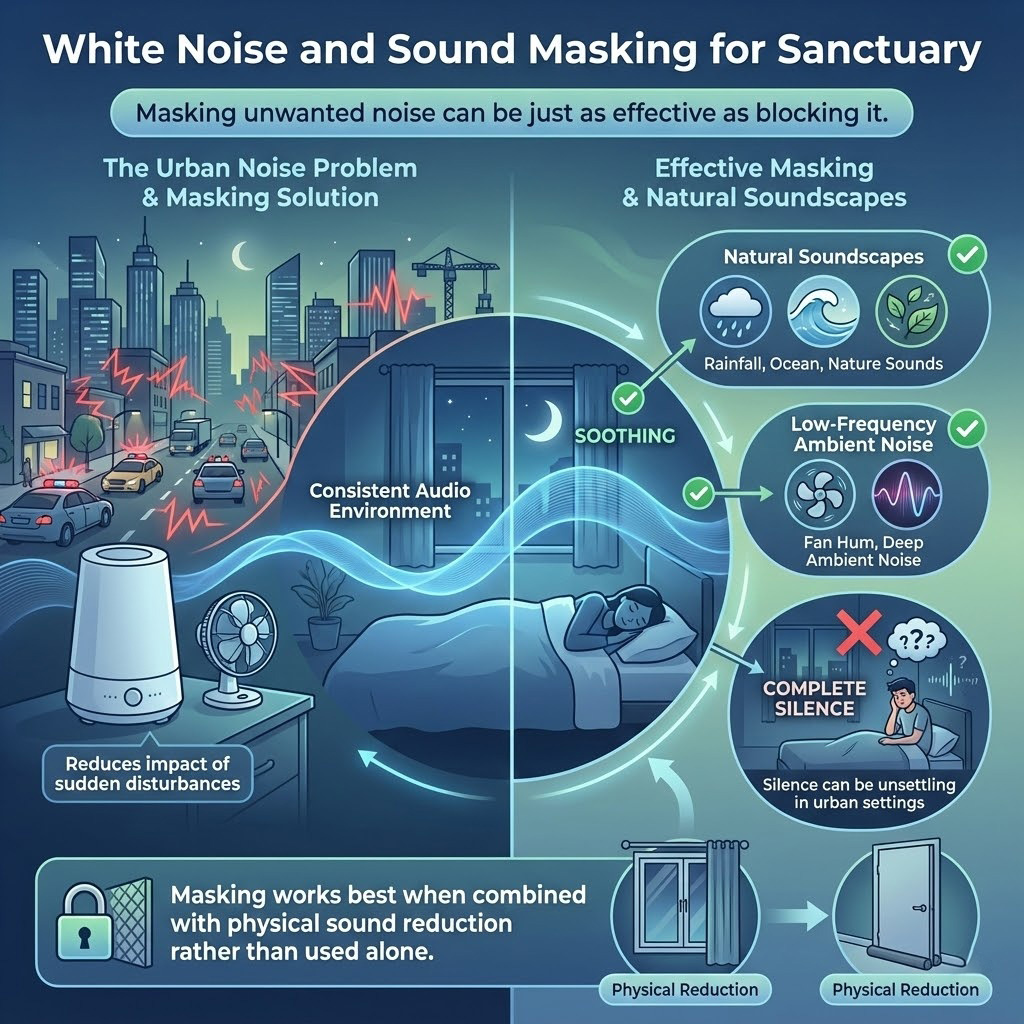
Masking unwanted noise can be just as effective as blocking it.
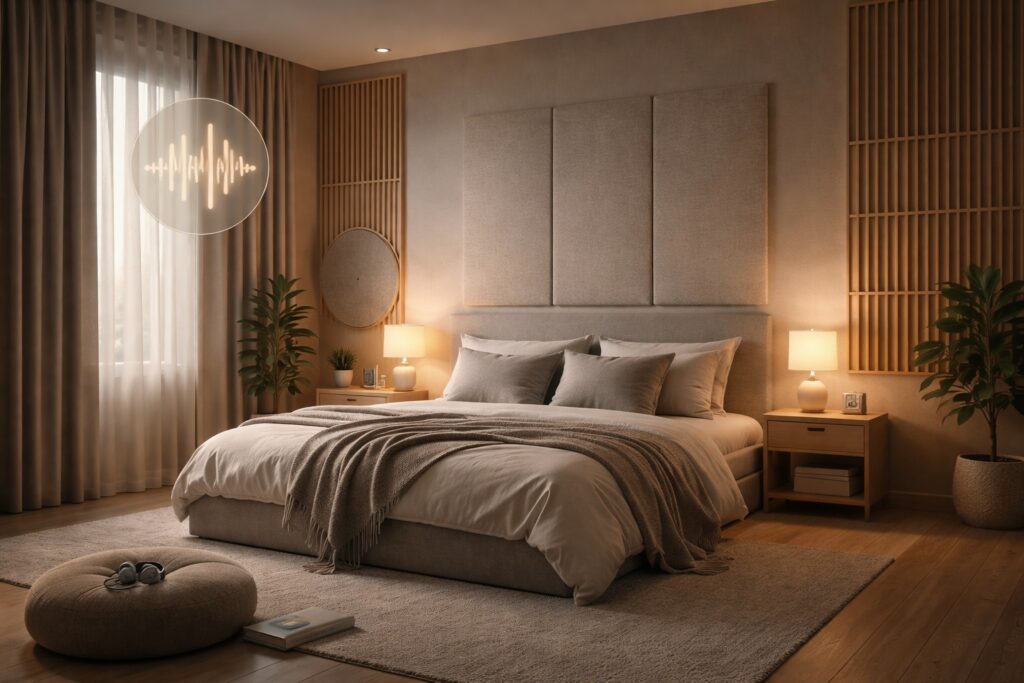
White noise machines, fans, or gentle background sounds create a consistent audio environment that reduces the impact of sudden disturbances.
Natural soundscapes, such as rainfall or low-frequency ambient noise, are often more soothing than silence in urban settings.
Masking works best when combined with physical sound reduction rather than used alone.
Choosing Quiet Bedroom Materials
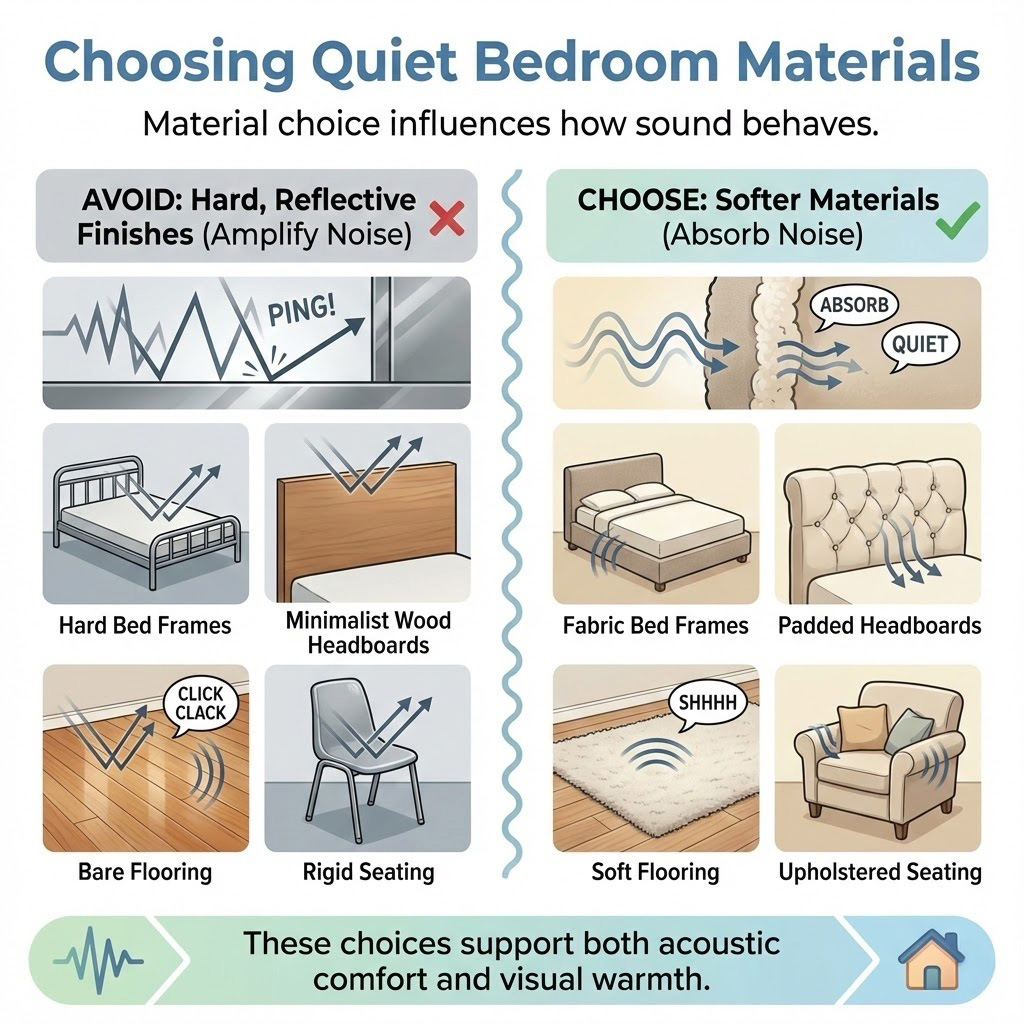
Material choice influences how sound behaves.
Hard, reflective finishes amplify noise. Softer materials absorb it.
When possible, choose:
- Fabric bed frames
- Padded headboards
- Soft flooring
- Upholstered seating
These choices support both acoustic comfort and visual warmth.
Reducing Internal Noise Sources
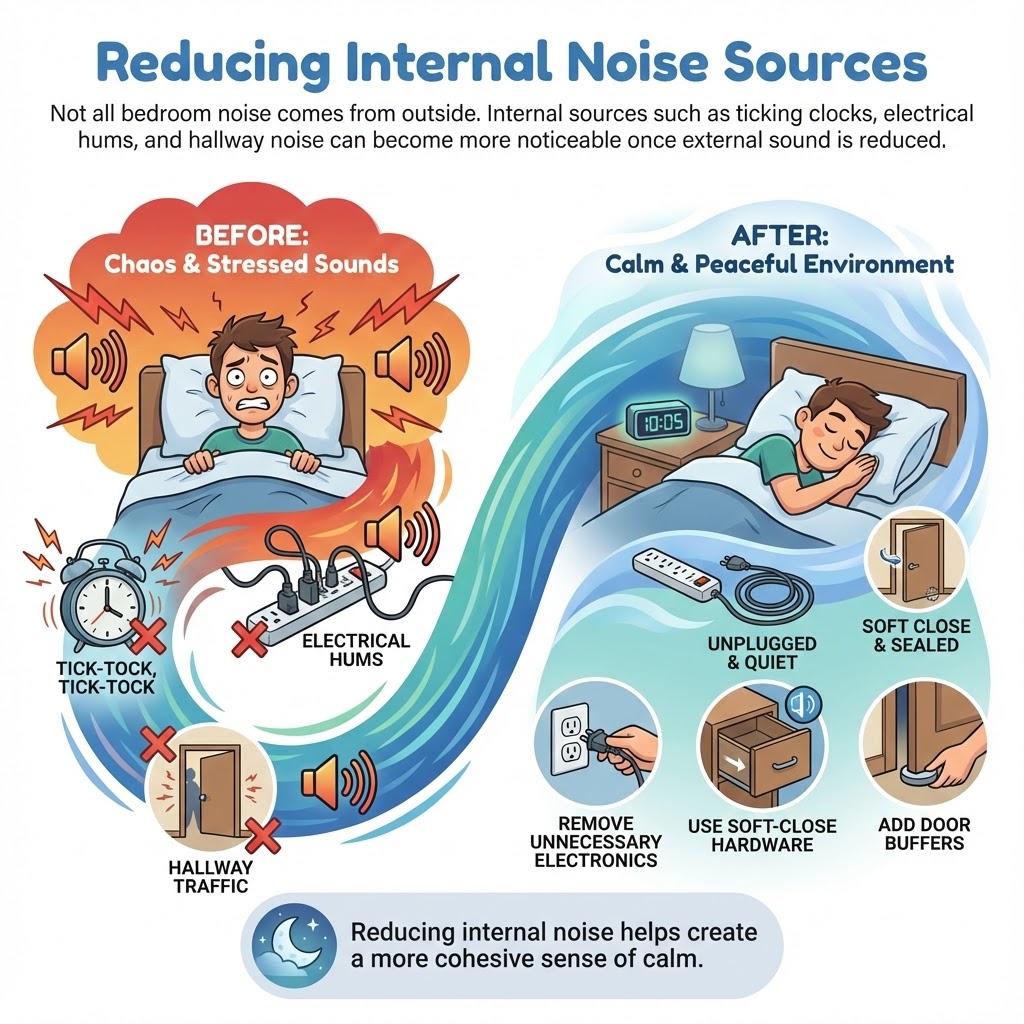
Not all bedroom noise comes from outside.
Internal sources such as ticking clocks, electrical hums, and hallway noise can become more noticeable once external sound is reduced.
Simple fixes include:
- Removing unnecessary electronics
- Using soft close hardware
- Adding door buffers
Reducing internal noise helps create a more cohesive sense of calm.
Creating a Bedroom That Feels Like a Sanctuary
Sound is closely linked to emotional comfort.
A bedroom that feels calm visually often feels calmer acoustically. Clutter, harsh lighting, and stark surfaces can heighten awareness of noise.
Layered lighting, warm colours, and tactile materials all contribute to a sense of enclosure and safety, making occasional background noise easier to tolerate.
Soundproofing works best as part of a holistic bedroom design, not as an isolated fix.
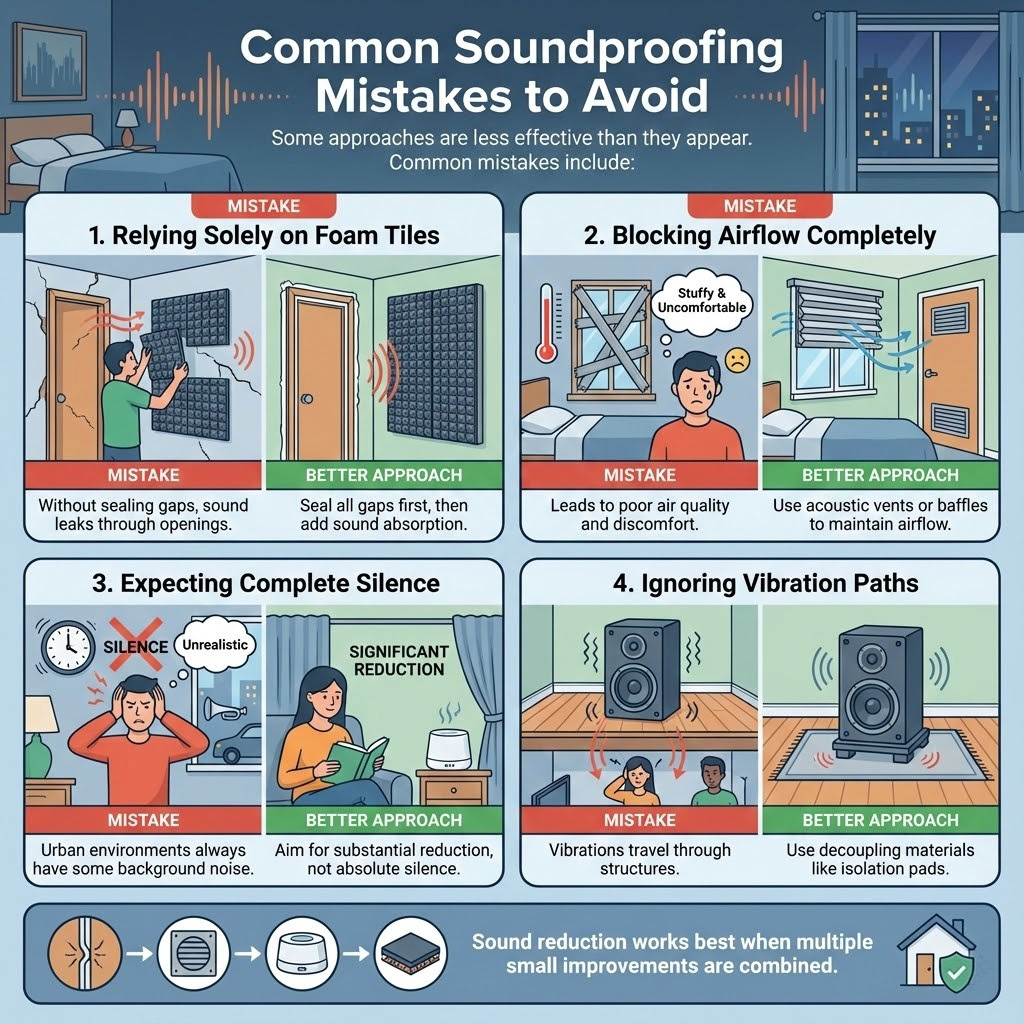
Common Soundproofing Mistakes to Avoid
Some approaches are less effective than they appear.
Common mistakes include:
- Relying solely on foam tiles without sealing gaps
- Blocking airflow completely, leading to discomfort
- Expecting complete silence
- Ignoring vibration paths
Sound reduction works best when multiple small improvements are combined.
Can you really soundproof an urban bedroom?
Complete soundproofing is difficult without structural changes, but noise can be significantly reduced with layered, practical improvements.
What is the most effective way to reduce bedroom noise?
Sealing gaps around windows and doors combined with soft furnishings usually provides the biggest improvement.
Do curtains help with soundproofing?
Thick, lined curtains help absorb sound and reduce echo, especially for traffic and street noise.
Are acoustic panels worth using in bedrooms?
Yes, when used alongside other measures. They work best for absorbing sound rather than blocking it completely.
Does white noise help with city noise?
Yes. White noise and gentle sound masking can reduce the impact of sudden or inconsistent noise.
Is soundproofing possible in rented homes?
Yes. Many solutions such as curtains, rugs, draft seals, and furniture placement are reversible and renter friendly.
Final Thoughts: Quiet Is Built in Layers
Creating a quieter urban bedroom does not require drastic measures.
By sealing gaps, adding soft furnishings, improving window insulation, and managing layout, it is possible to significantly reduce noise and improve sleep quality.
The most effective soundproofing strategies are layered, realistic, and tailored to how the space is actually used.
With thoughtful changes, even a busy city bedroom can feel like a sanctuary.