A sensory garden for kids and pets is designed to engage touch, scent, sound, and movement while remaining safe, calming, and enjoyable for shared use.
Unlike highly manicured gardens, sensory gardens encourage interaction. Leaves are touched, scents are noticed, and sounds are experienced. When designed thoughtfully, they can support child development, reduce stress, and provide enrichment for pets, all while remaining practical and low maintenance.
This guide explains how to create a sensory garden that works for both kids and pets, balancing stimulation with safety and long term sustainability.
What Is a Sensory Garden for Kids and Pets?
A sensory garden is designed to engage one or more of the five senses:
- Sight
- Touch
- Smell
- Sound
- Taste
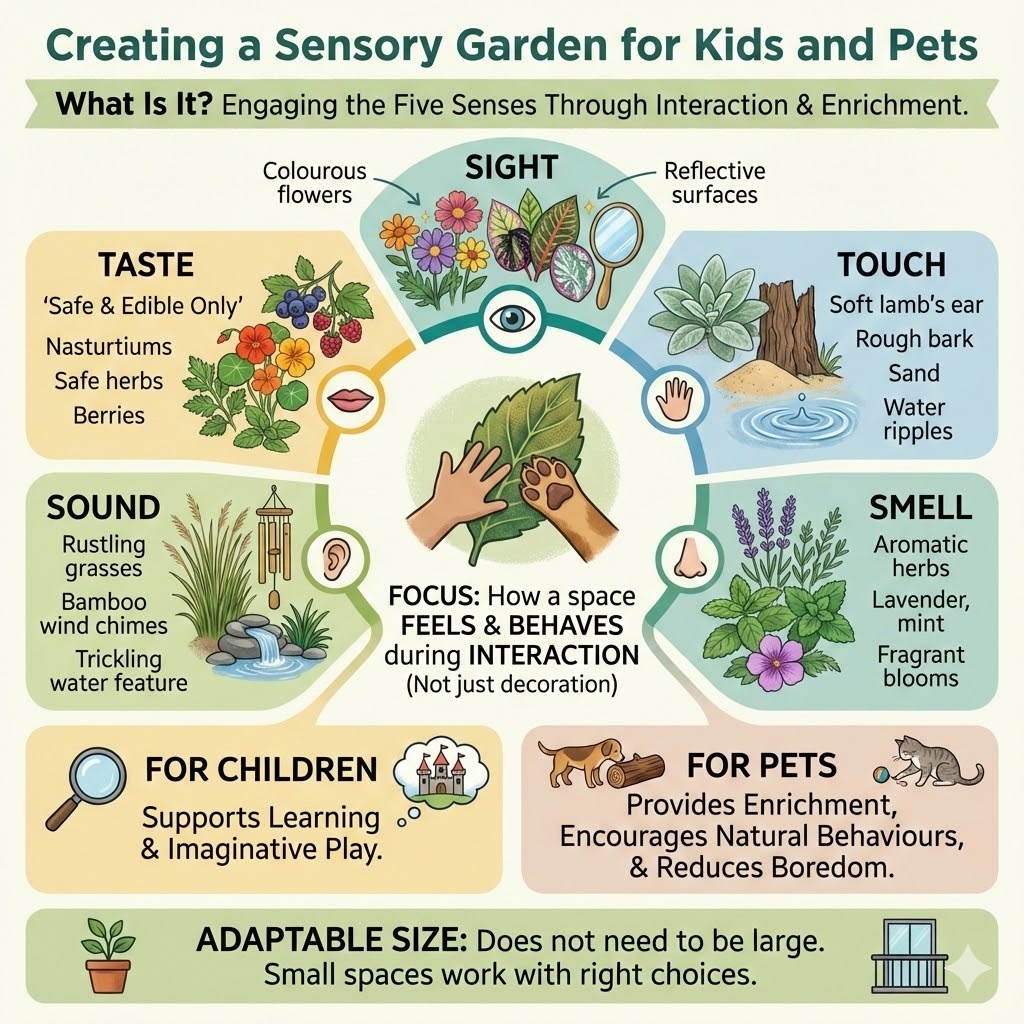
Rather than focusing on decorative planting alone, sensory gardens prioritise how a space feels and behaves when interacted with.
For children, this supports learning and imaginative play. For pets, it provides enrichment, encourages natural behaviours, and reduces boredom.
A good sensory garden does not need to be large. Even a small outdoor space can be adapted with the right plant choices and layout.
Guidance from the Royal Horticultural Society highlights how sensory gardens can support wellbeing through thoughtful planting and layout.
Why Sensory Gardens Are Beneficial for Children and Pets
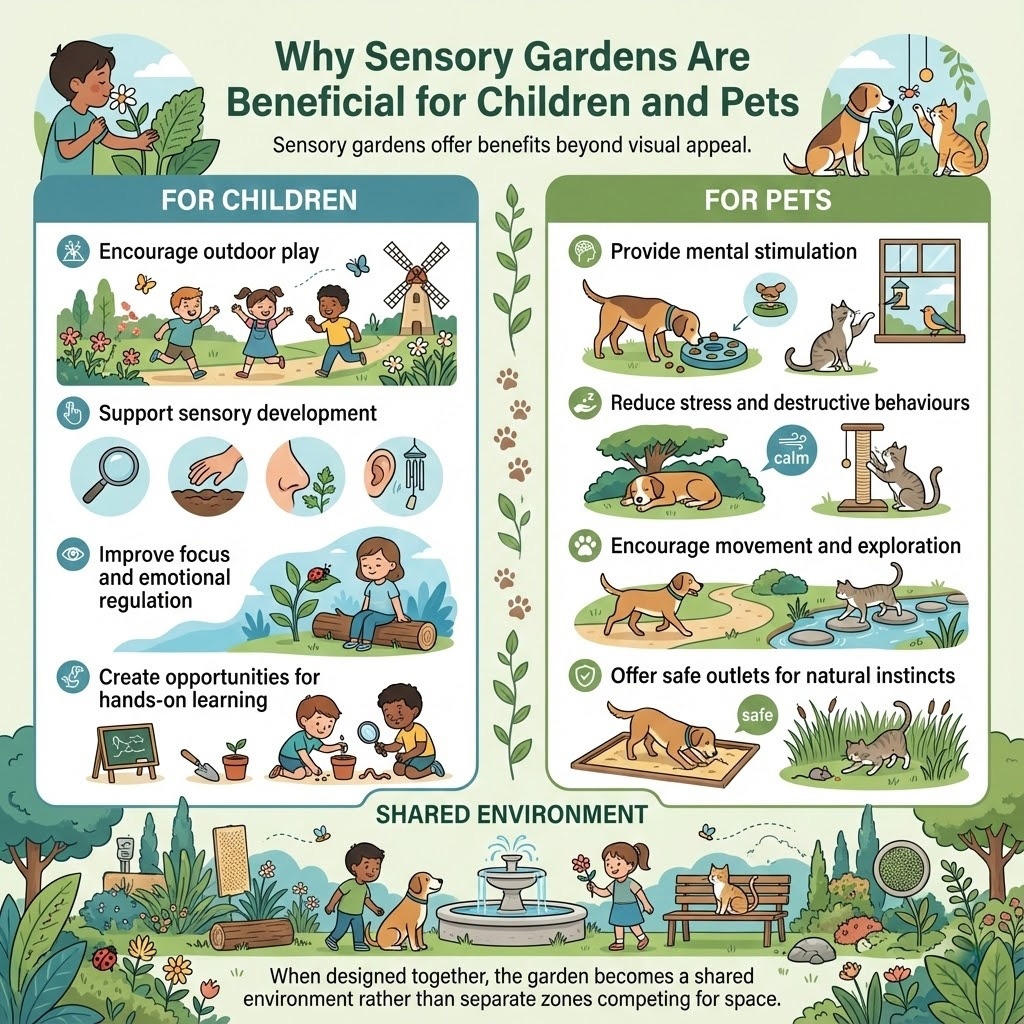
Sensory gardens offer benefits beyond visual appeal.
For children, they:
- Encourage outdoor play
- Support sensory development
- Improve focus and emotional regulation
- Create opportunities for hands on learning
For pets, they:
- Provide mental stimulation
- Reduce stress and destructive behaviours
- Encourage movement and exploration
- Offer safe outlets for natural instincts
When designed together, the garden becomes a shared environment rather than separate zones competing for space.
Designing With Safety First
Safety is the foundation of any sensory garden designed for children and animals.
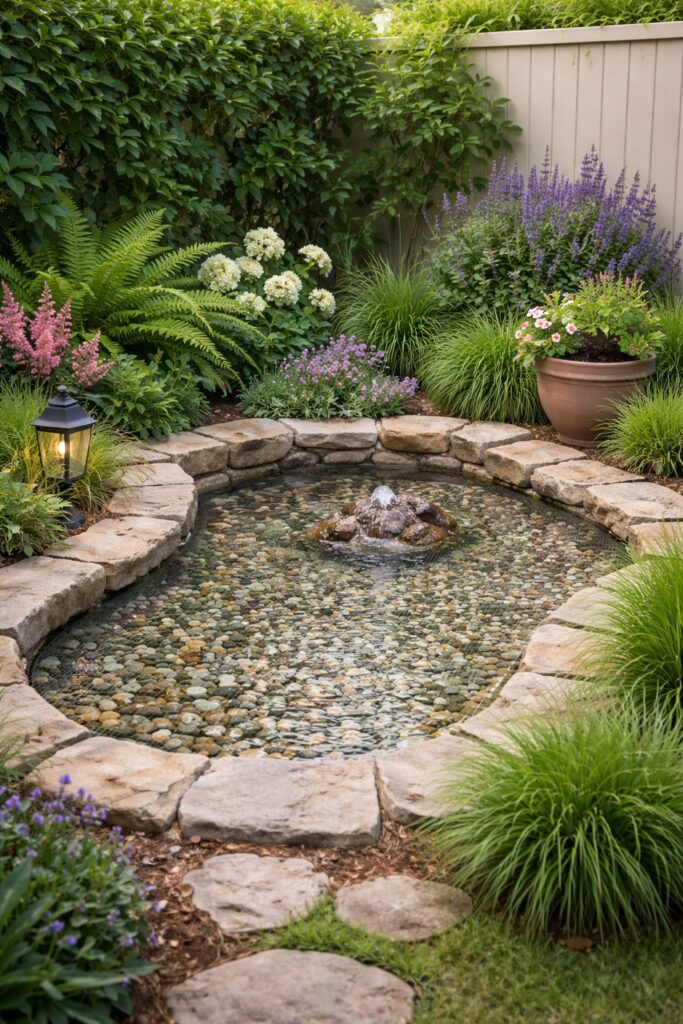
Avoid plants known to be toxic to pets or children. Be mindful of sharp edges, splinters, and unstable features. Paths should be slip resistant, and water features should be shallow or securely covered.
Choose materials that can withstand rough use and weather without becoming hazardous. Natural materials often work well, but they should be finished and maintained properly.
A safe sensory garden allows exploration without constant supervision or worry.
Engaging the Sense of Touch
Touch is often the most important sense in a sensory garden.
Choose plants with a variety of textures:
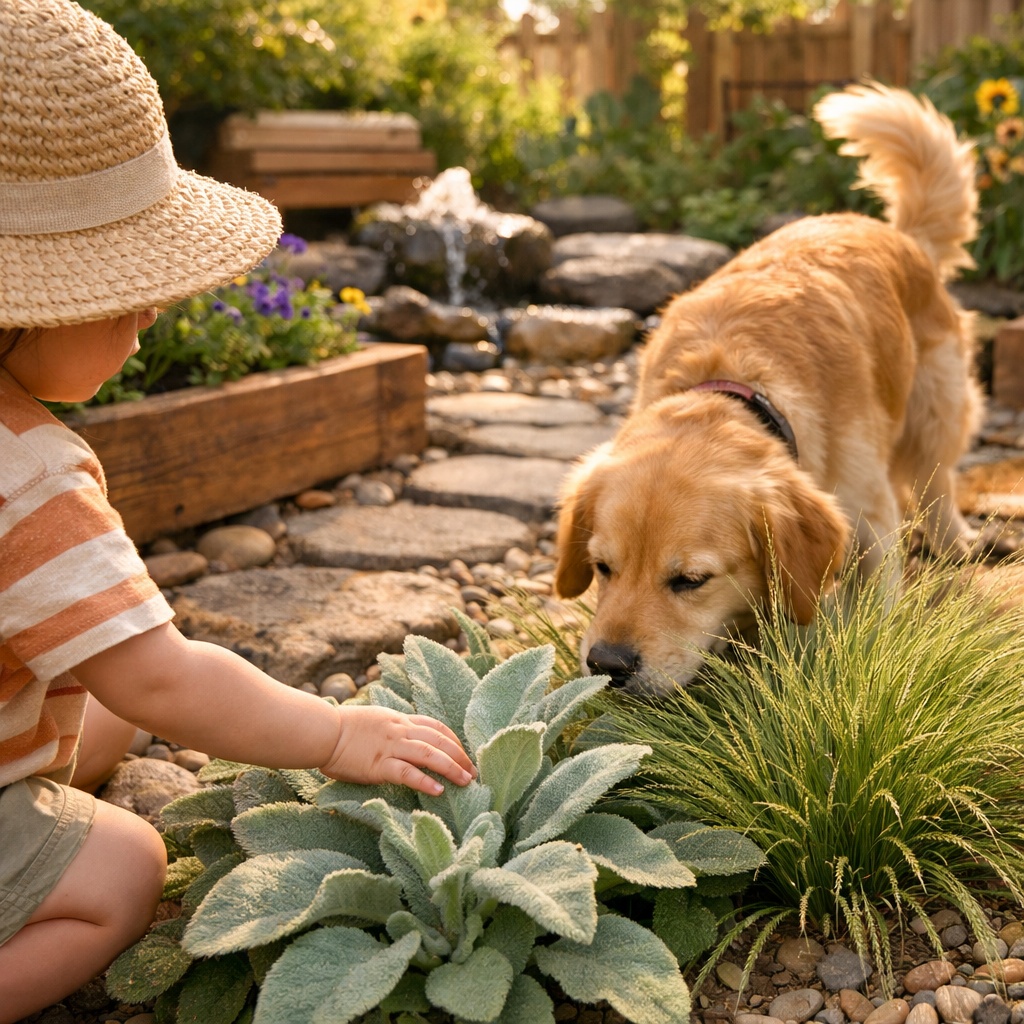
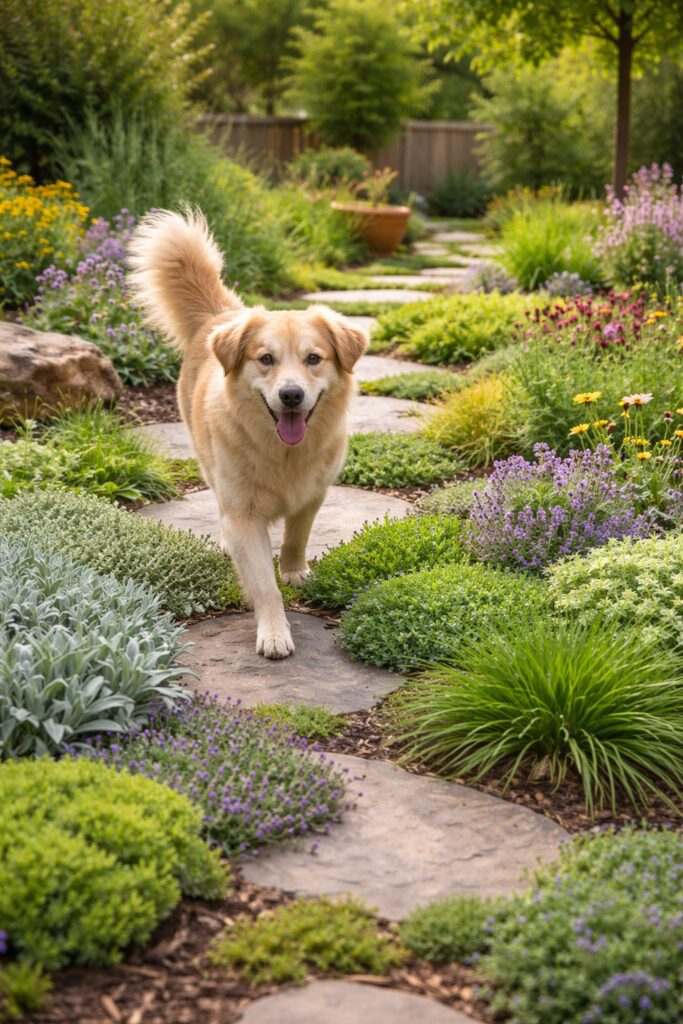
- Soft leaves such as lamb’s ear
- Feathery foliage like grasses
- Firm, structured plants such as box or rosemary
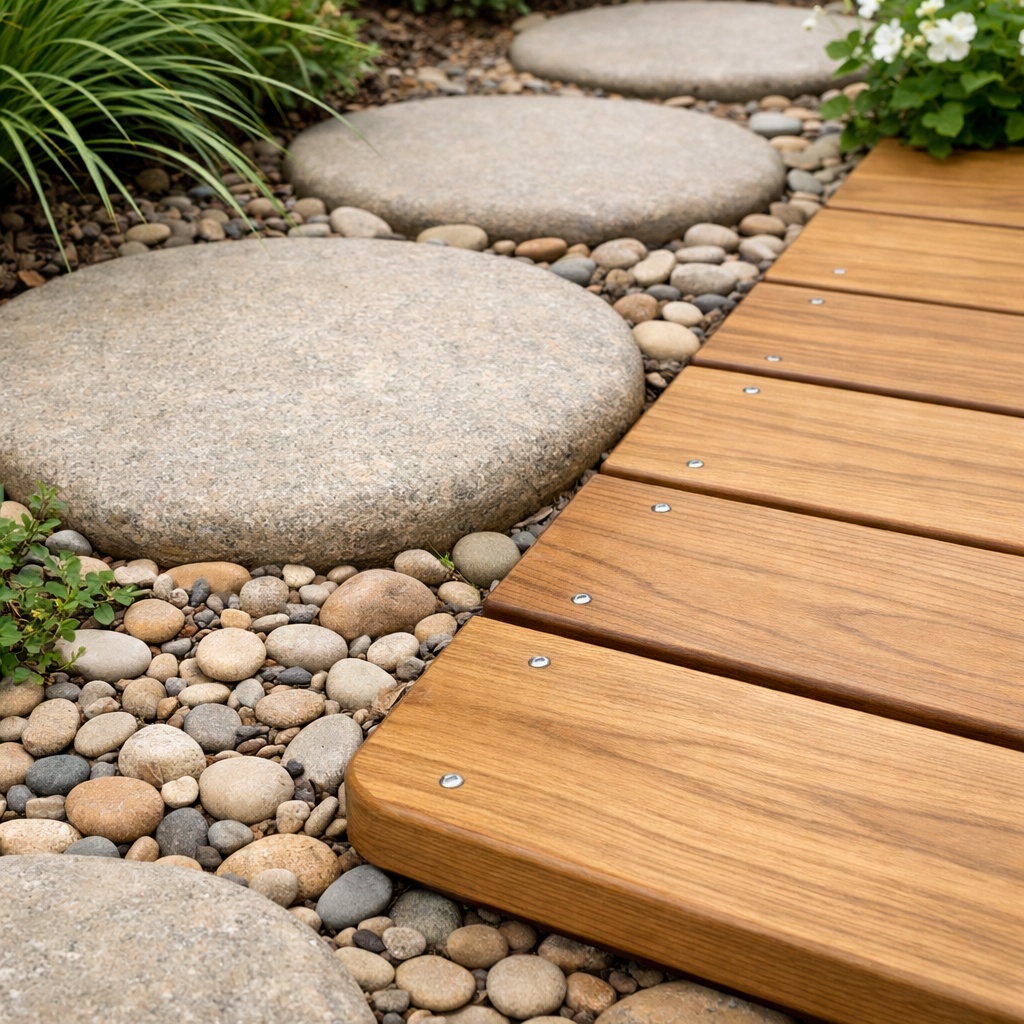
Textured surfaces also matter. Bark mulch, smooth stones, grass, decking, and stepping stones all provide different tactile experiences.
For pets, textured ground surfaces encourage exploration. For children, they support balance, coordination, and sensory awareness.


Using Scent to Create Calm and Curiosity
Smell has a powerful effect on mood and memory.
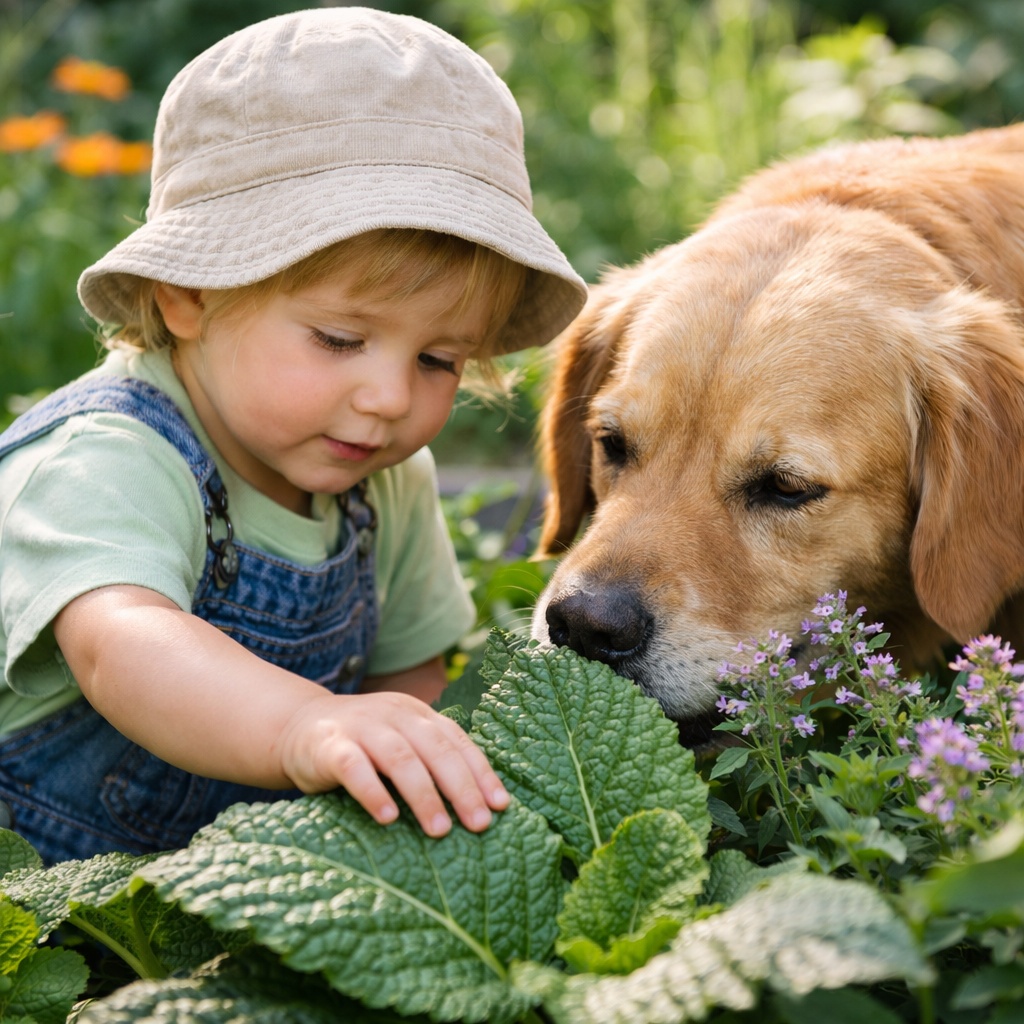
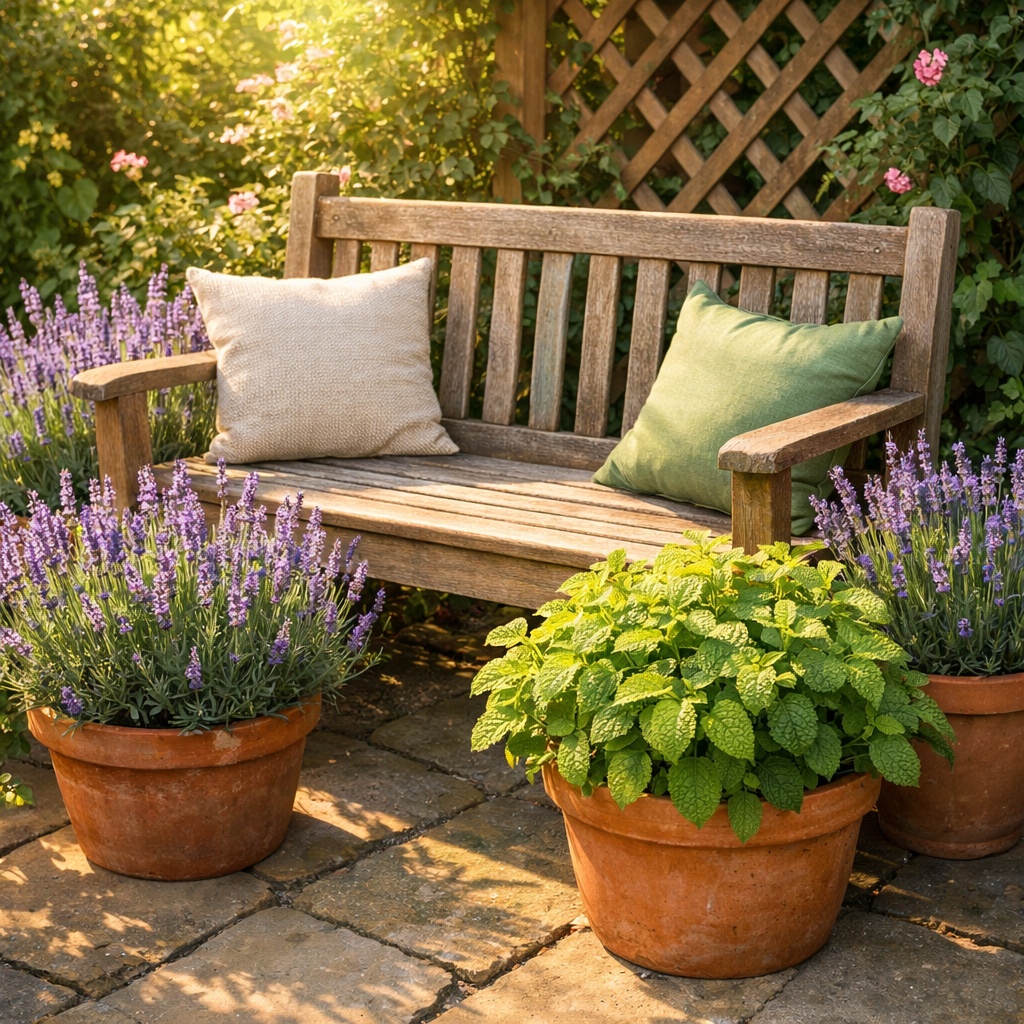
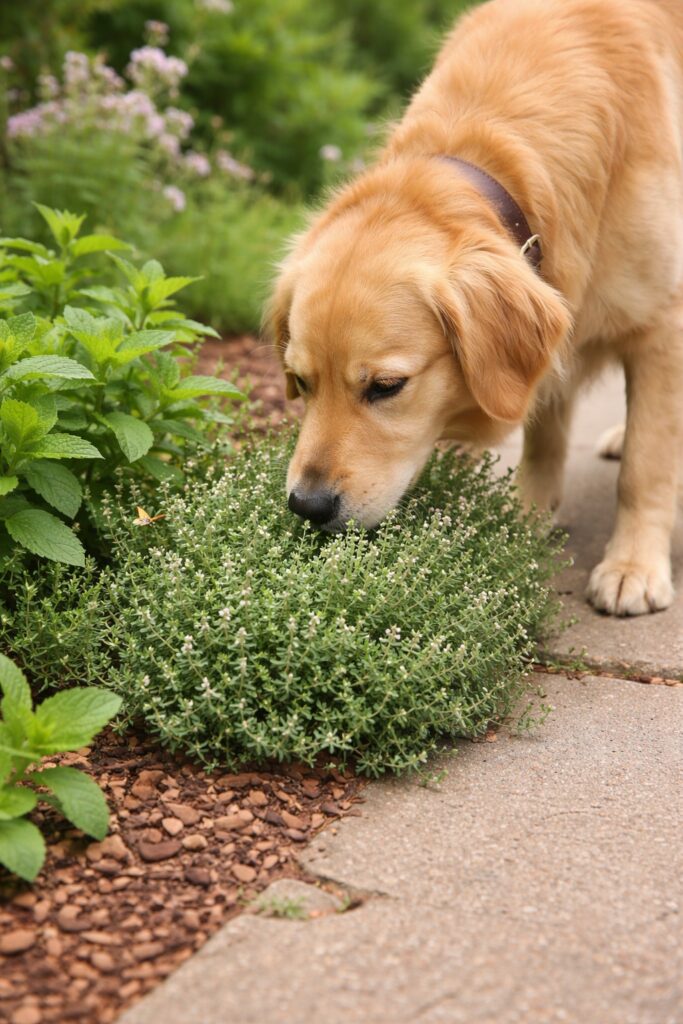
Fragrant plants add a calming and immersive layer to the garden. Gentle scents are best, especially where children and pets are involved.
Popular sensory garden scents include:
- Lavender
- Mint
- Lemon balm
- Thyme
- Chamomile
Avoid overpowering fragrances and ensure plants are non toxic. Scented plants placed near paths or seating areas encourage interaction without overwhelming the space.
Creating Visual Interest Without Overstimulation
Colour and movement engage sight, but balance is important.
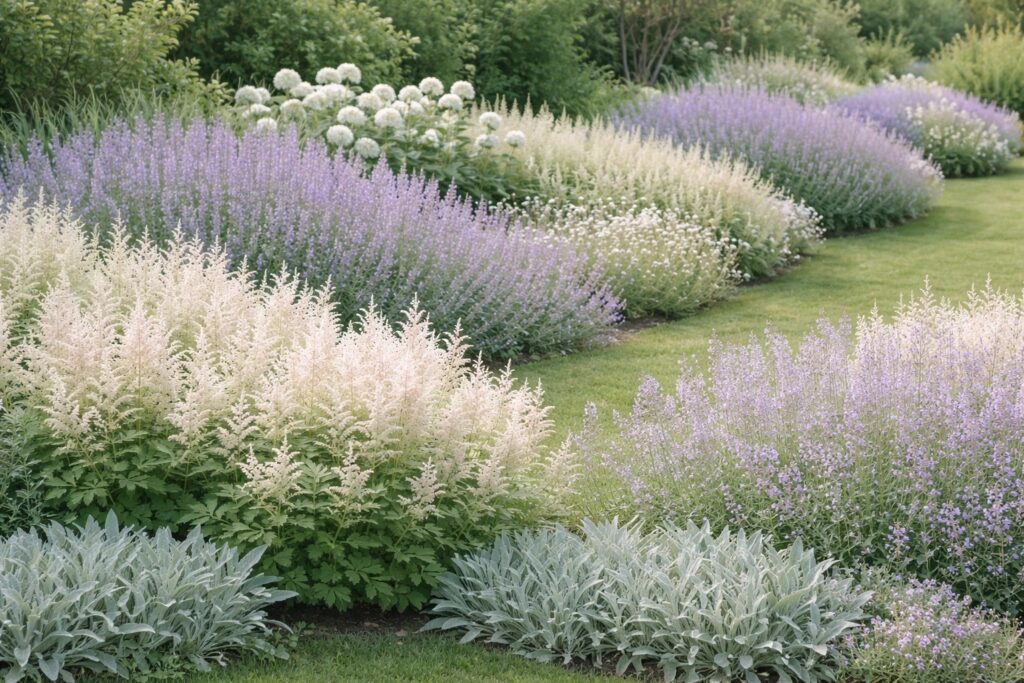
Bright colours can energise a space, while softer tones create calm. A sensory garden benefits from a mix of both.
Use:
- Flowering plants for seasonal colour
- Varied leaf shapes and sizes
- Movement from grasses or lightweight structures
For children and pets, visual interest should invite exploration rather than distract or overwhelm. Repetition and simple patterns often work better than busy planting schemes.

Adding Sound to the Garden
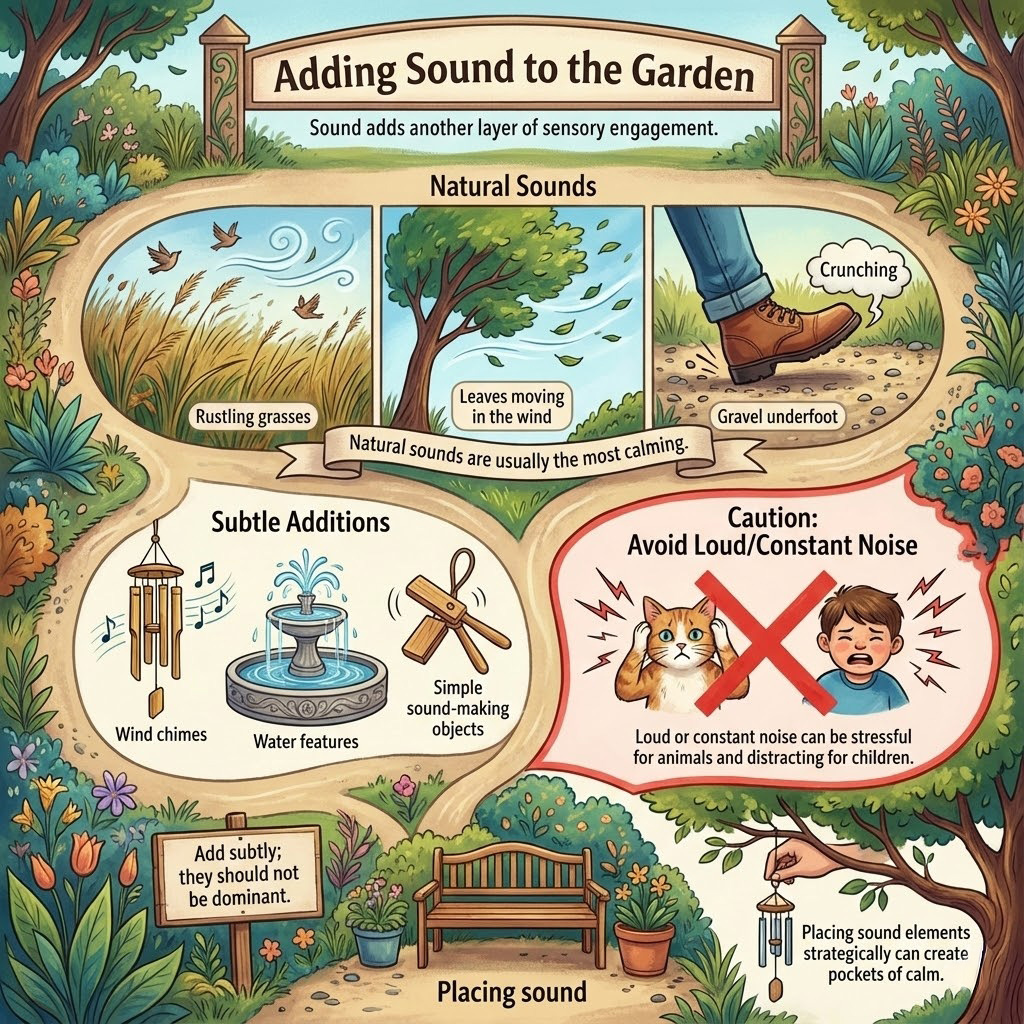
Sound adds another layer of sensory engagement.
Natural sounds are usually the most calming:
- Rustling grasses
- Leaves moving in the wind
- Gravel underfoot
Wind chimes, water features, or simple sound making objects can be added, but they should be subtle. Loud or constant noise can be stressful for animals and distracting for children.
Placing sound elements where they activate only with movement keeps the experience interactive rather than intrusive.
Including Taste Safely
Taste should be approached carefully in shared spaces.
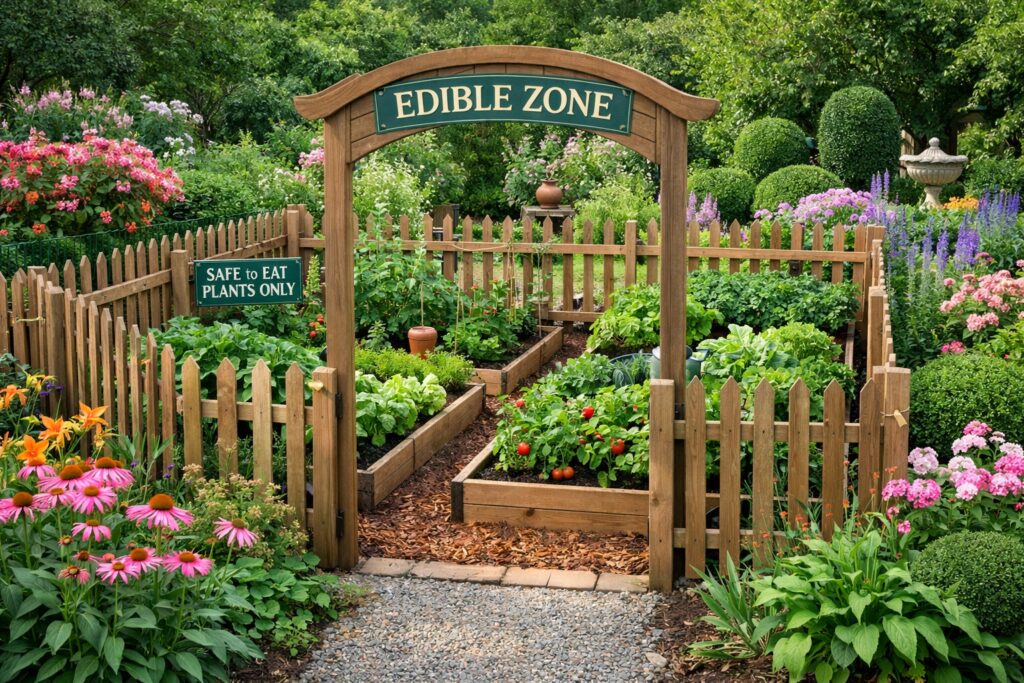
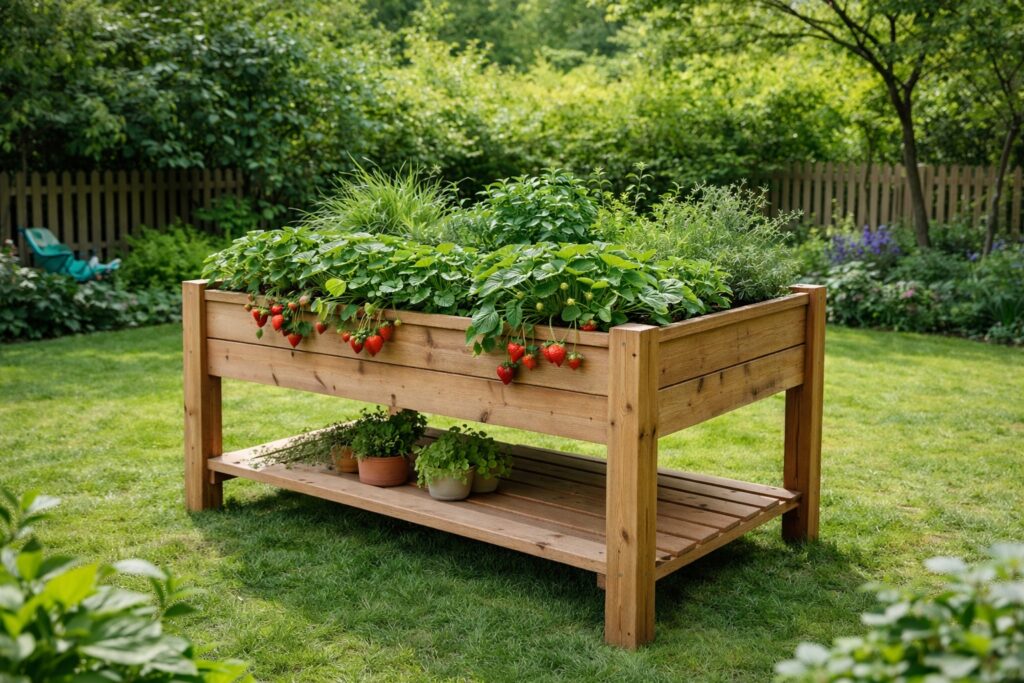
Edible plants can be a wonderful learning tool for children, but must be chosen thoughtfully. Herbs, strawberries, and certain vegetables are good options.
Ensure:
- Plants are safe for pets
- Clear boundaries exist between edible and non edible areas
- Children understand which plants can be tasted
Raised beds or containers work well for edible sensory elements, keeping them accessible but controlled.
Creating Zones for Different Activities
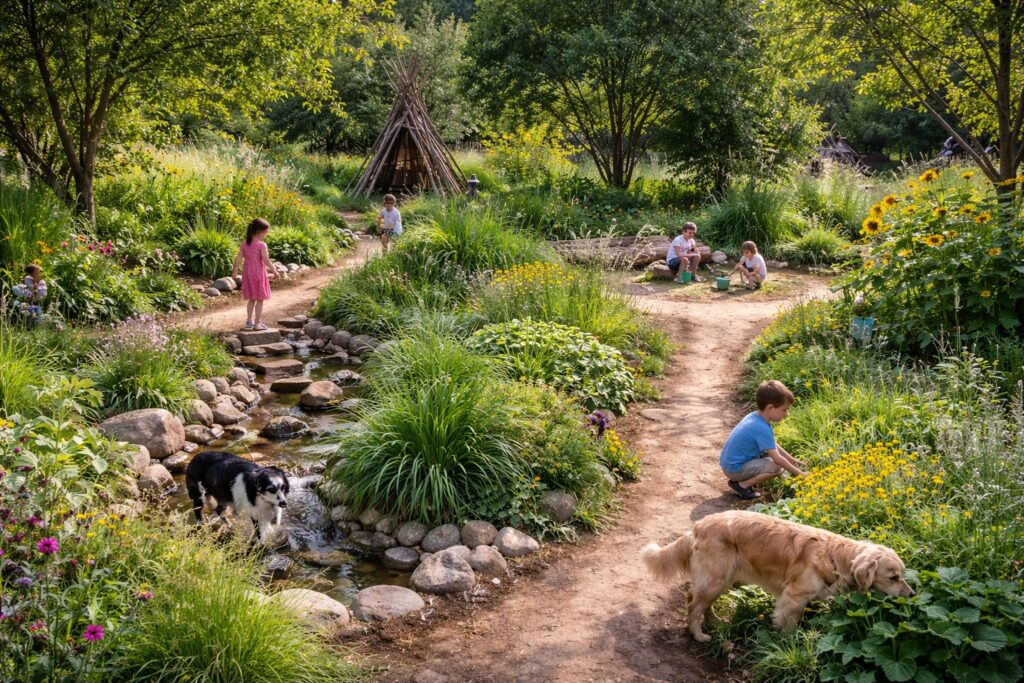
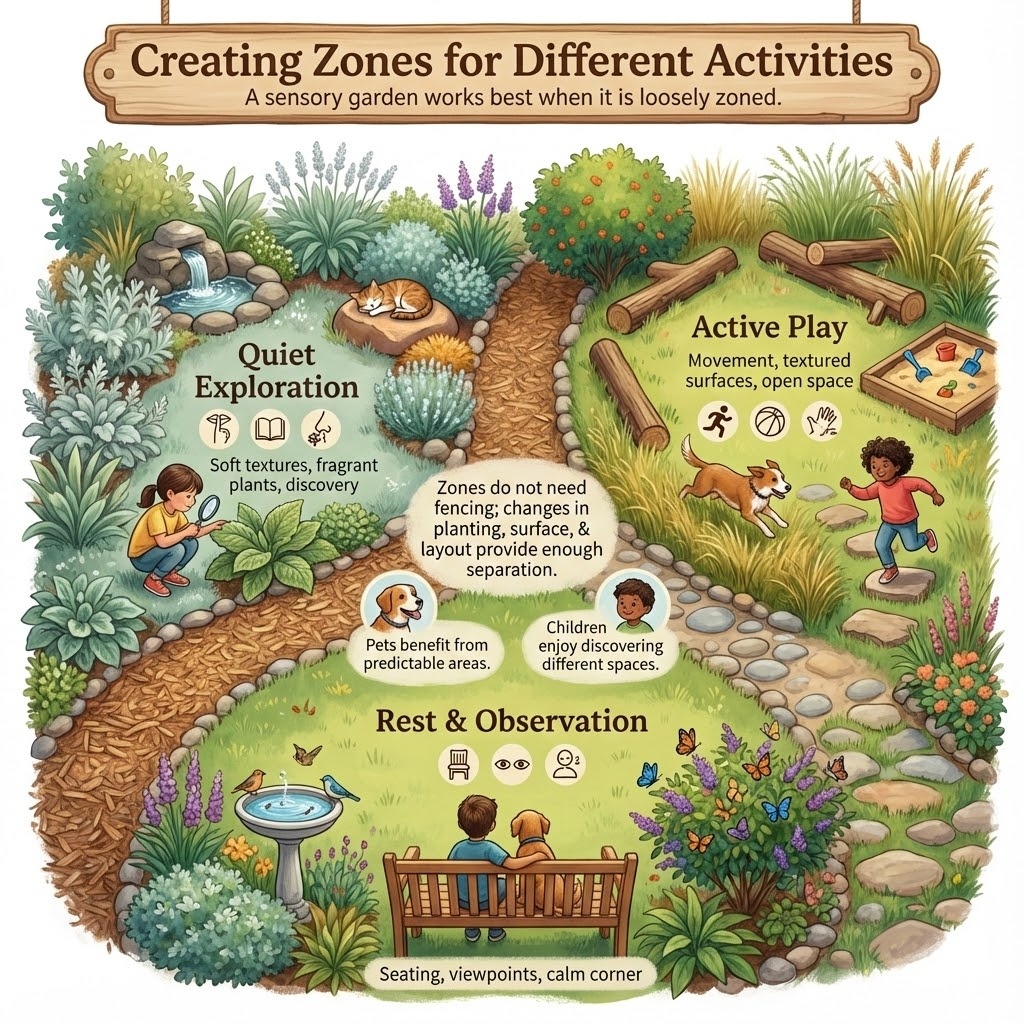
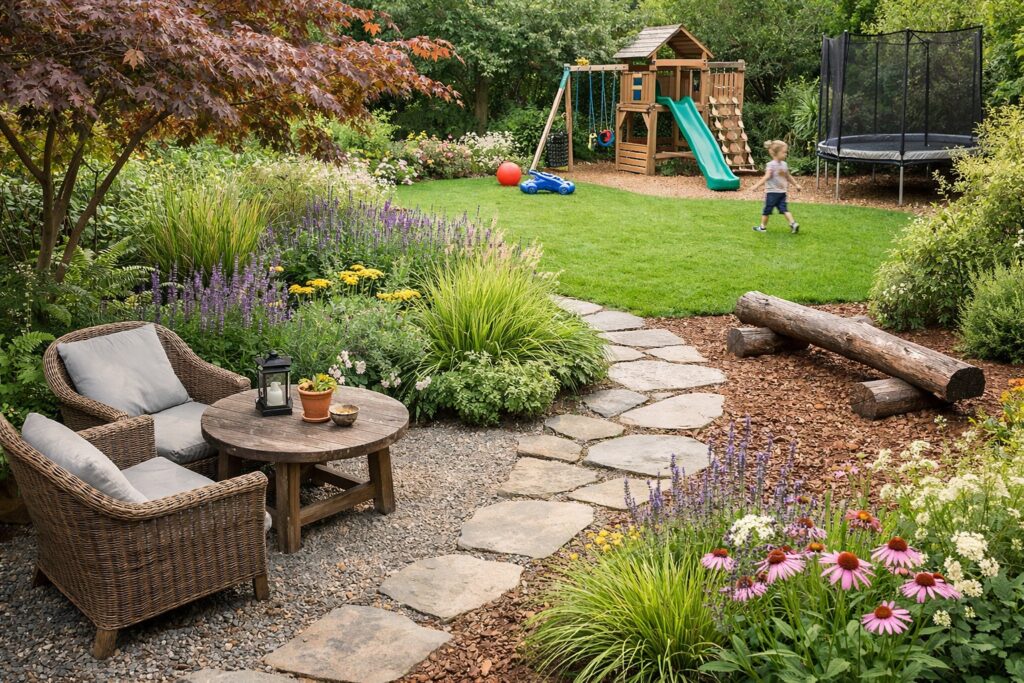
A sensory garden works best when it is loosely zoned.
Consider areas for:
- Quiet exploration
- Active play
- Rest and observation
Zones do not need to be clearly defined with fencing. Changes in planting, surface texture, or layout often provide enough separation.
Pets benefit from predictable areas, while children enjoy discovering different spaces within the garden.
Choosing Pet Friendly Plants
Not all attractive plants are safe for animals.
When designing a sensory garden, choose plants that are known to be non toxic and resilient. Avoid plants with sharp thorns or irritating sap.
Plants that tolerate occasional trampling and interaction tend to work best. This reduces frustration and keeps the garden looking good with minimal effort.
“Is it Safe? Check the List”
- Always verify new plants against the ASPCA Toxic Plant List & Dogs Trust List of Poisonous Plants (Gold Standard for pets).
5 Bulletproof Safe Plants for Sensory Gardens
- Lamb’s Ear (Stachys byzantina): The ultimate sensory plant. Soft, fuzzy, and completely non-toxic to pets.
- Snapdragons (Antirrhinum): Bright colours, fun to “snap” open, and 100% safe for dogs.
- Nasturtiums: Fast-growing, edible flowers (peppery taste), and safe for everyone.
- Camellias: A great evergreen alternative to the toxic Azalea/Rhododendron family.
- Sunflowers: The classic choice for kids—huge visual impact and safe seeds.
Be mindful of spring bulbs—while beautiful, Daffodil bulbs can be harmful if dug up and eaten by curious puppies.”
Encouraging Wildlife Without Risk
Wildlife adds another sensory dimension to a garden.
Birds, insects, and pollinators introduce movement and sound, which enriches the experience. However, care should be taken to avoid attracting wildlife that could pose risks to pets or children.
Native plants, bird feeders placed away from play areas, and pollinator friendly flowers can encourage safe wildlife interaction.
Making the Garden Inclusive and Adaptable
A good sensory garden grows with its users.
Children’s needs change over time, and pets age. Designing flexibility into the space allows it to adapt without major changes.
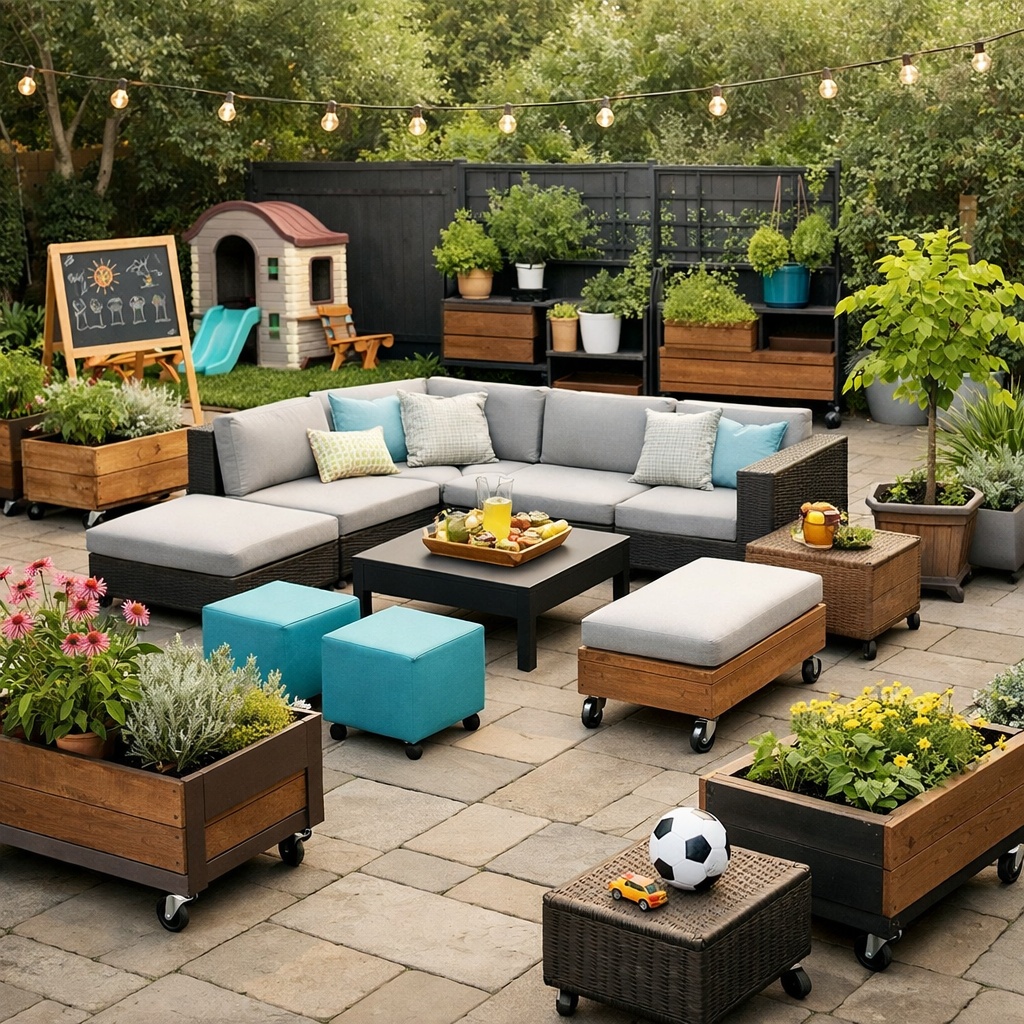
Moveable containers, adjustable seating, and modular features make it easy to refresh the garden as needs evolve.
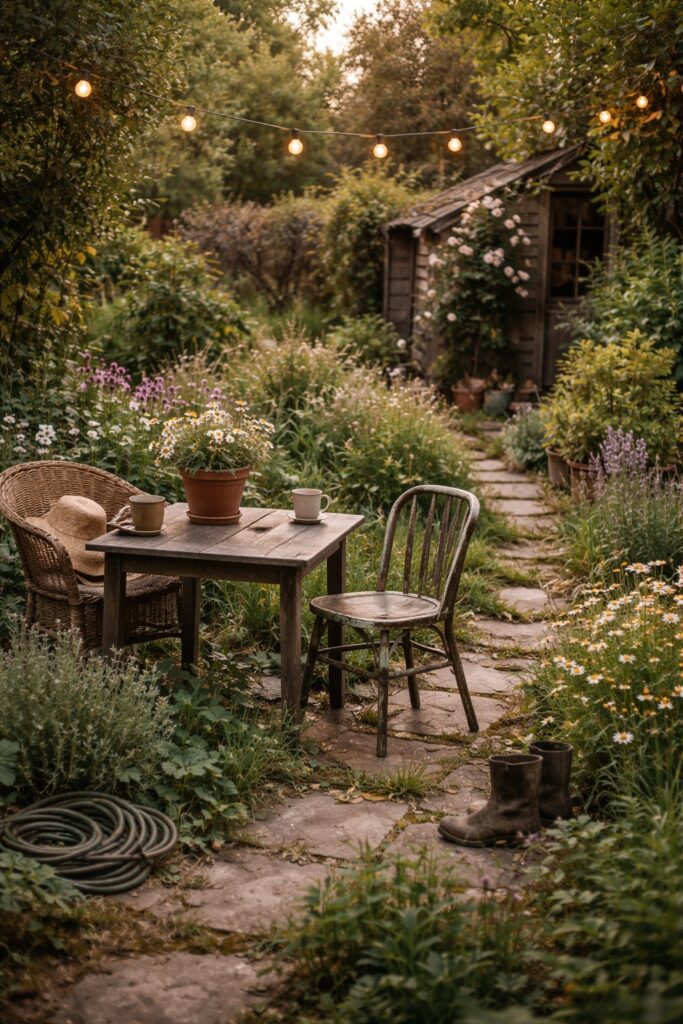
The most successful sensory gardens feel lived in rather than fixed.
Maintaining a Sensory Garden
Maintenance should be simple and sustainable.
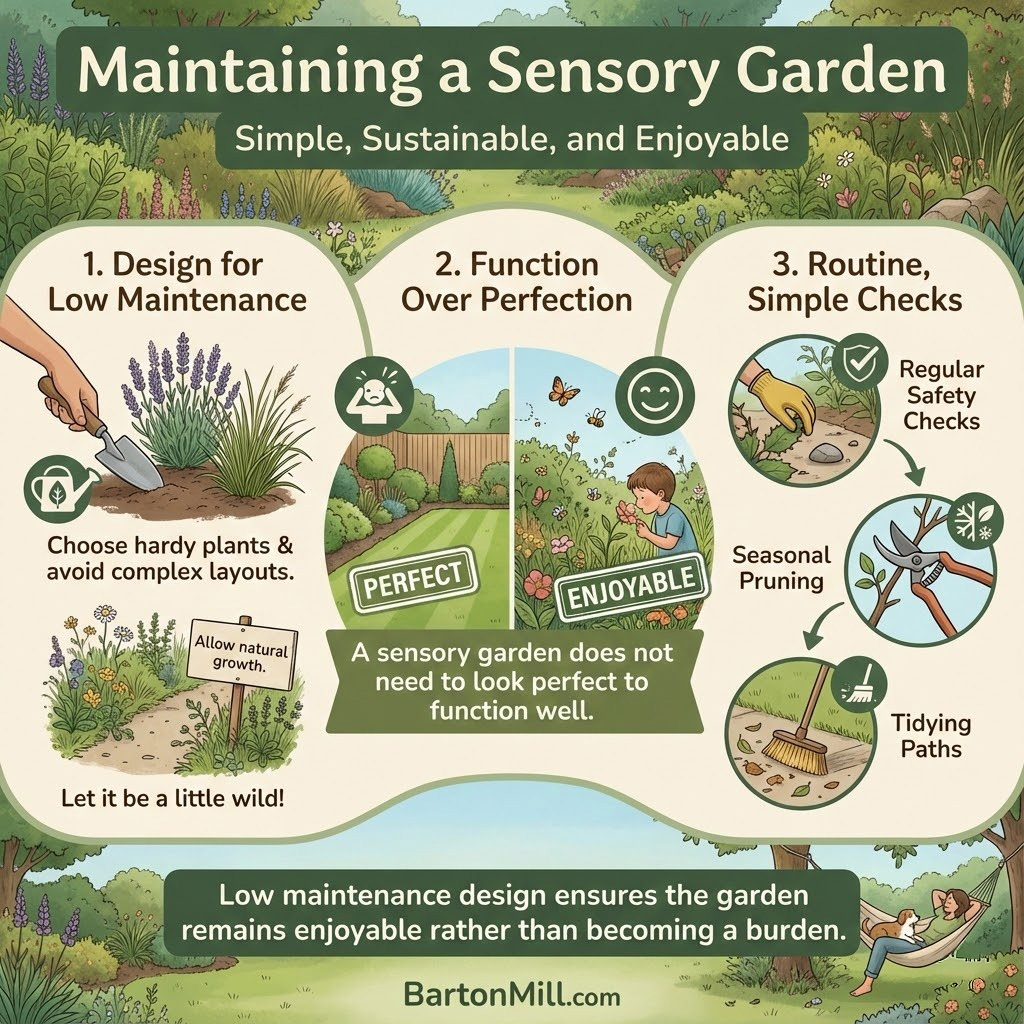
Choose hardy plants, avoid overly complex layouts, and allow some natural growth. A sensory garden does not need to look perfect to function well.
Regular checks for safety, seasonal pruning, and tidying paths are usually sufficient.
Low maintenance design ensures the garden remains enjoyable rather than becoming a burden.
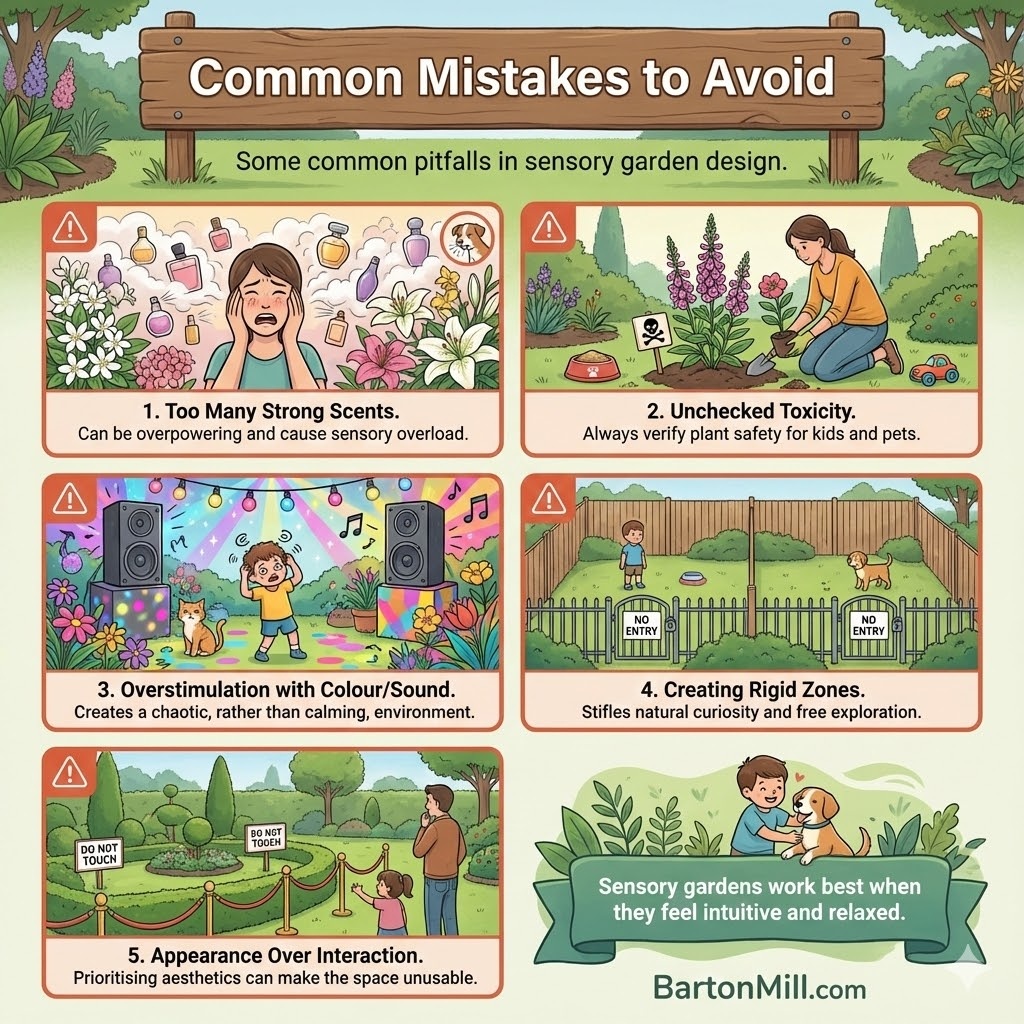
Common Mistakes to Avoid
Some common pitfalls include:
- Using too many strong scents
- Choosing plants without checking toxicity
- Overstimulating the space with colour or sound
- Creating rigid zones that limit exploration
- Prioritising appearance over interaction
Sensory gardens work best when they feel intuitive and relaxed.
What is a sensory garden?
A sensory garden is designed to stimulate the senses through plants, textures, sounds, and movement rather than focusing only on visual appearance.
Are sensory gardens safe for pets?
Yes, when designed carefully using non-toxic plants, safe materials, and clear zones for play and rest.
What plants are best for a sensory garden?
Soft textured plants, gentle scented herbs, grasses, and non-toxic flowering plants work well for both children and pets.
Can you create a sensory garden in a small space?
Yes. Containers, raised beds, and varied surfaces can create a sensory experience even in compact gardens.
Do sensory gardens need a lot of maintenance?
No. Choosing hardy plants and simple layouts keeps maintenance low and manageable.
Are sensory gardens suitable for all ages?
Yes. Sensory gardens can be adapted as children grow and pets age, making them flexible and long lasting.
Final Thoughts: A Garden That Grows With Its Users
Creating a sensory garden for kids and pets is about more than design. It is about creating a space that supports curiosity, calm, and connection.
By engaging the senses thoughtfully and prioritising safety, you can create a garden that encourages exploration while remaining practical and sustainable.
The most rewarding sensory gardens are those that are used, enjoyed, and allowed to evolve naturally over time.